ButsumetsuBoso-nichi (a day heaven nurtures like a mother)
← Back
🛕

Visiting a Temple

A quiet moment, a meeting of hearts

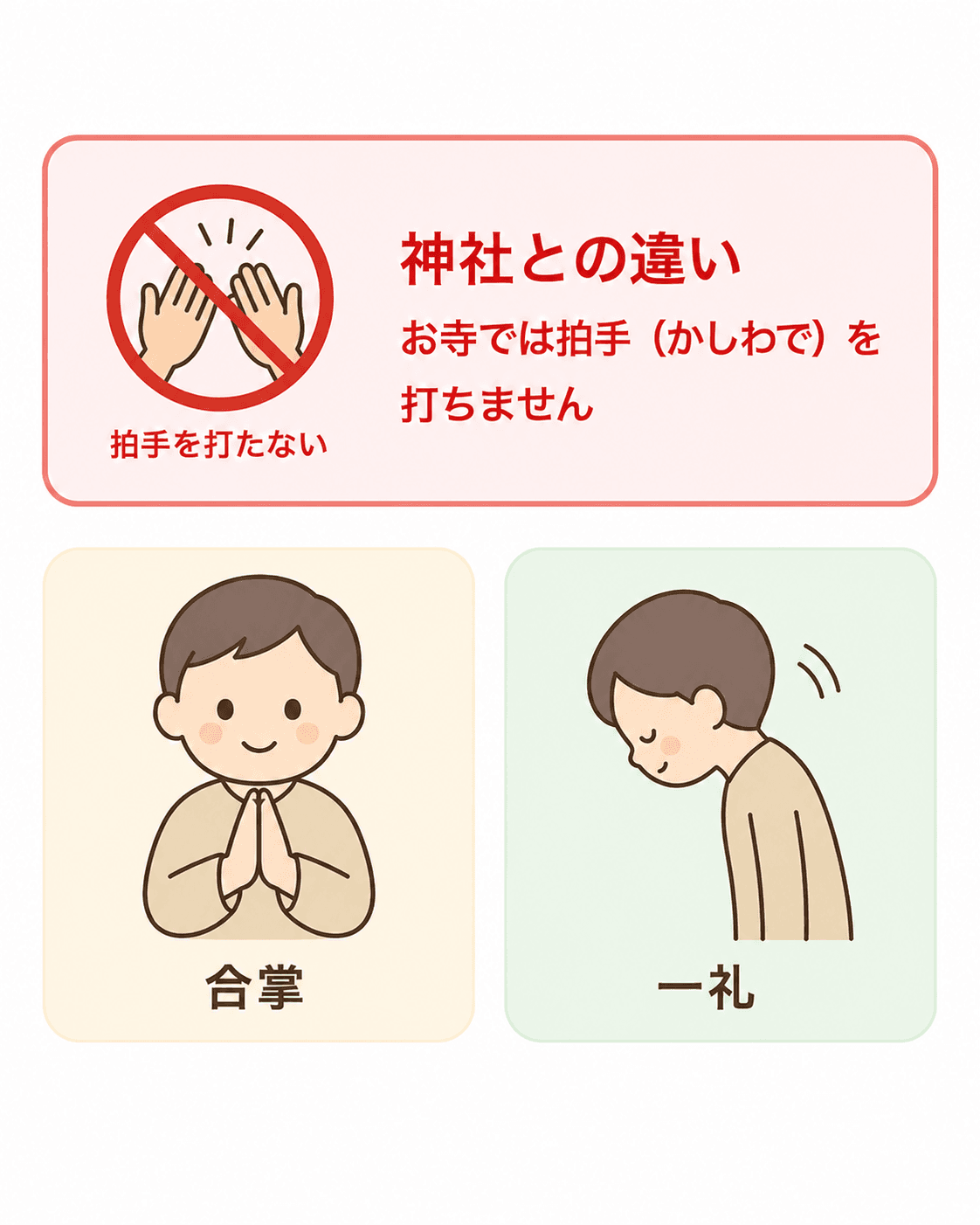
A temple is a quiet, peaceful place to face the Buddha (hotoke-sama) and pause to reflect on yourself. The biggest difference from a shrine is that you don't clap — instead, you press your palms together in silence (gassho). Let's calm our minds and pay a visit.

1Sanmon (Temple Gate)

The entrance to the Buddha's world

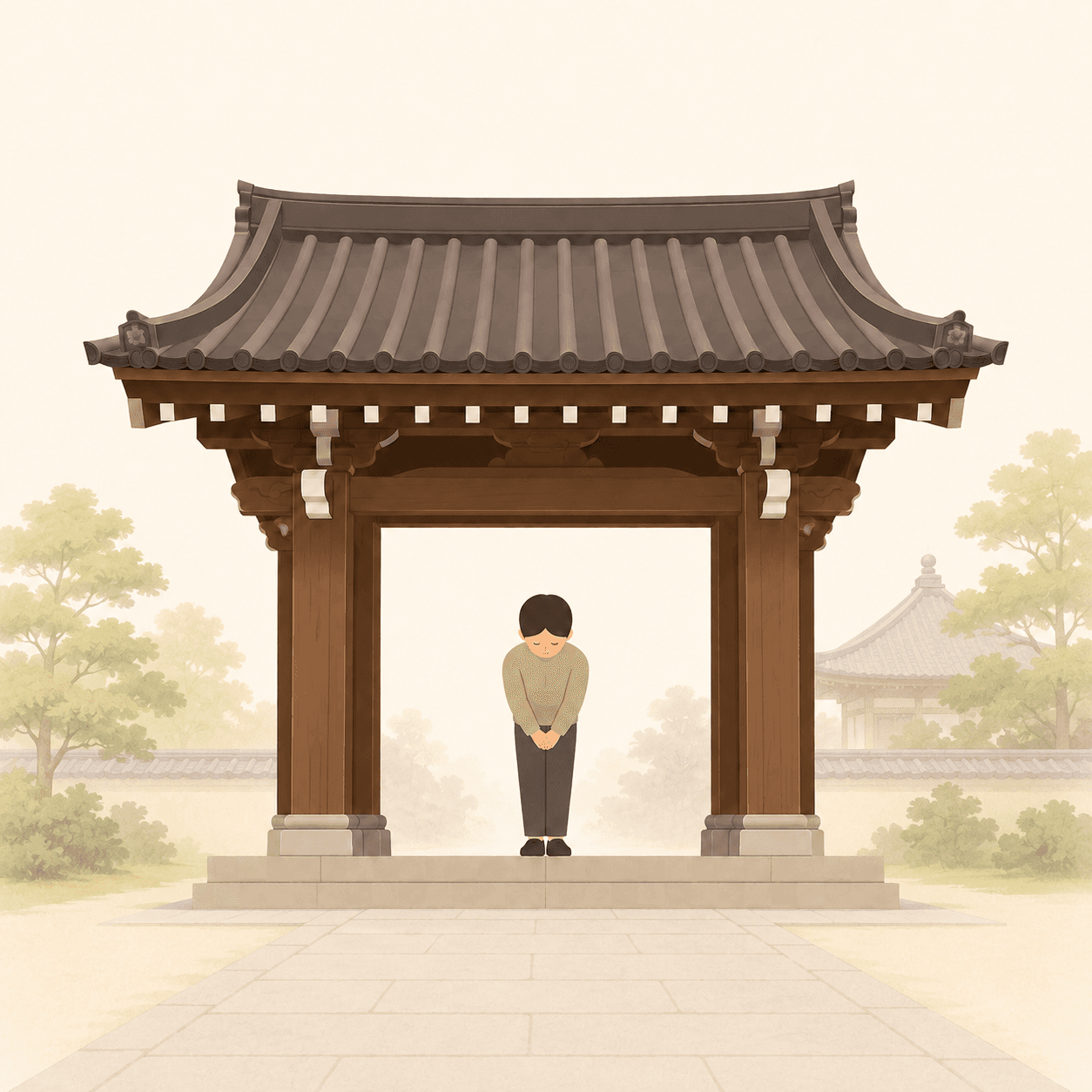
Bow once before passing through the sanmon gate

Beyond this point is a sacred place where the Buddha resides.

Take off your hat and give a light bow before entering.

  • Step over the threshold without treading on it
  • The Nio (guardian deities) standing on either side of the gate protect the temple from evil
  • On your way out, turn toward the main hall and bow once more at the sanmon

2Walking the Approach (Sando)

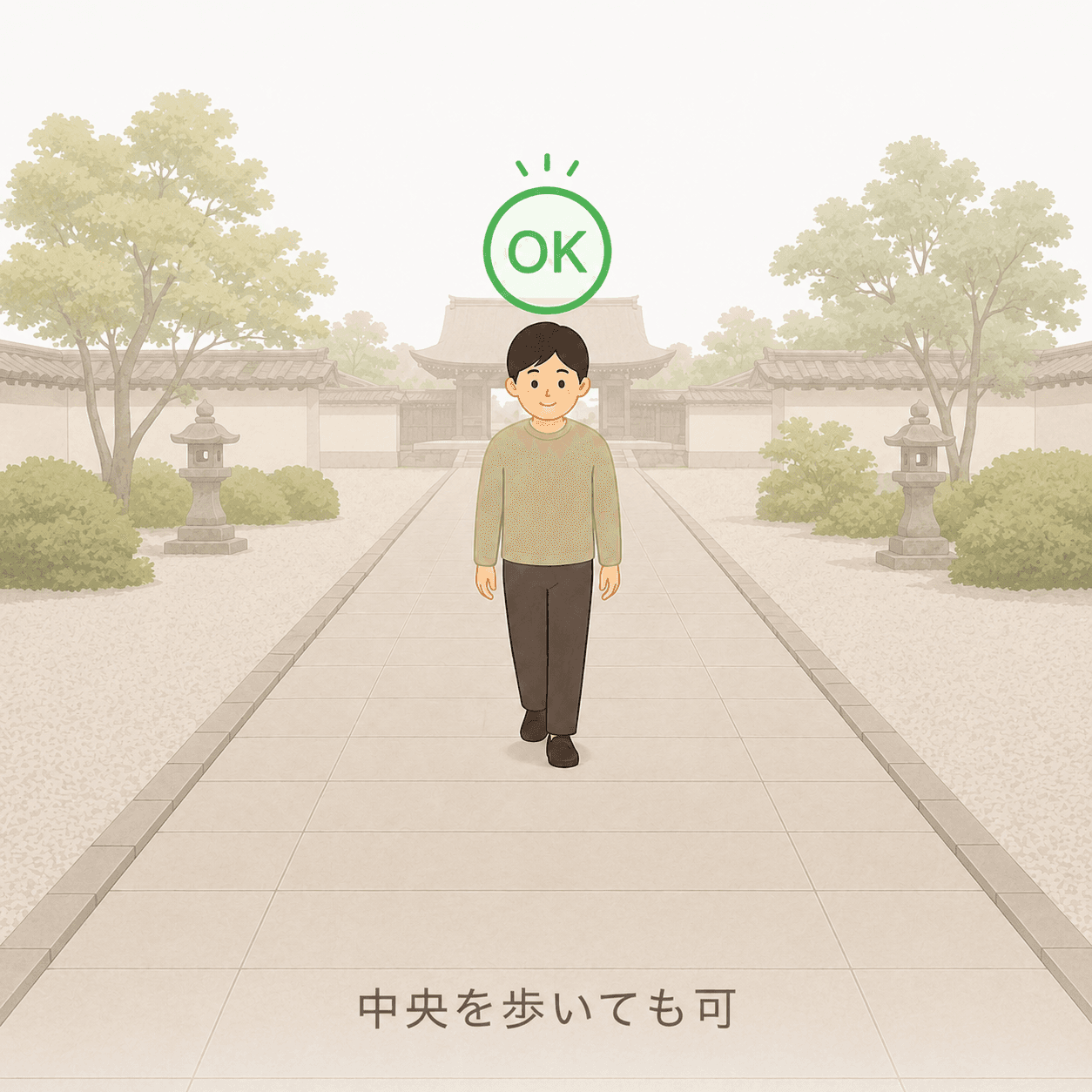
At a temple, it's fine to walk in the center of the approach

Unlike at a shrine, at a temple you may walk in the center.

  • Walk quietly, with a calm mind
  • Avoid rushing or speaking loudly
  • Be especially quiet if there's a graveyard nearby

3Temizuya (Purification Fountain)

Refresh your mind and body

Just as at a shrine, you purify your hands and mouth before paying your respects. Touching the cool water washes away the noise of daily life — an important moment of preparing to meet the Buddha.

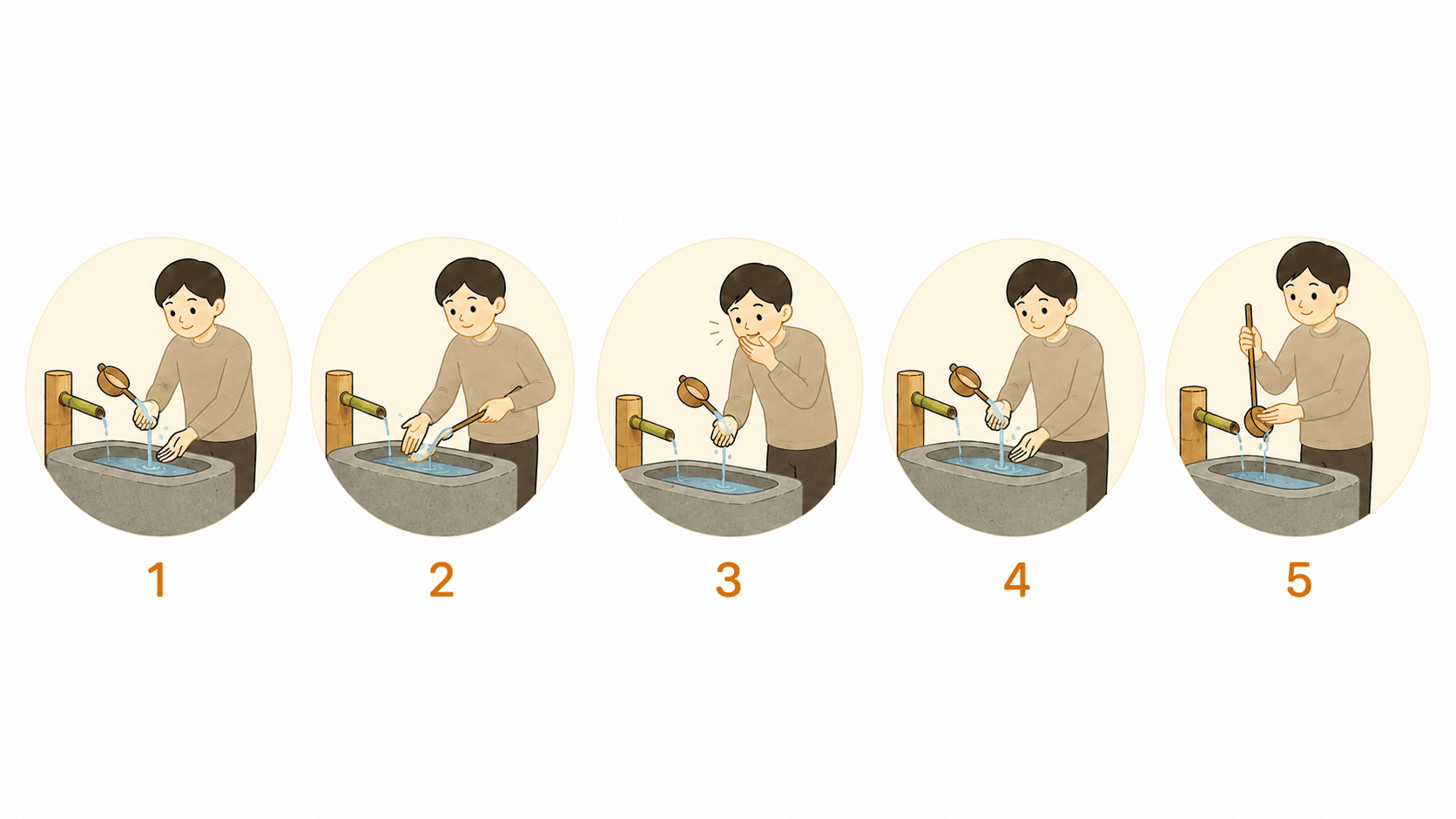
The five steps of temizu purification
  1. Hold the ladle (hishaku) with your right hand, scoop water, and rinse your left hand
  2. Switch the ladle to your left hand and rinse your right hand
  3. Switch back to your right hand, pour water into your cupped left hand, and rinse your mouth with it
  4. Rinse your left hand once more
  5. Tip the ladle upright so the remaining water runs down the handle to rinse it, then return it to its place

4Jokoro (Communal Incense Burner)

Let the smoke settle your spirit

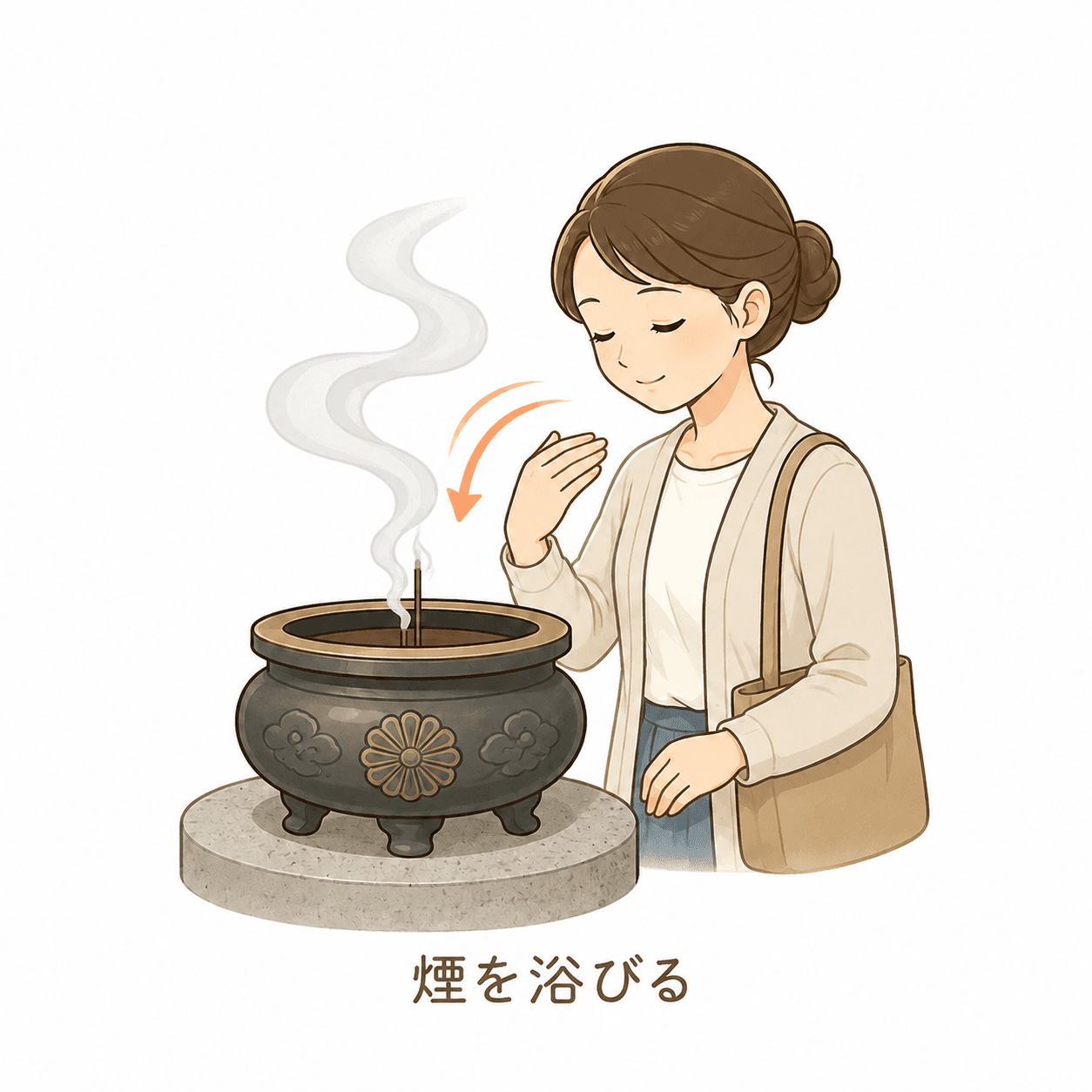
Waft the smoke from the jokoro (communal incense burner) over your body

If there's a large incense burner (jokoro), try wafting its smoke toward your body.

This is meant to purify your mind and body, while offering the Buddha the gift of a pleasant fragrance.

  • It's said that directing the smoke toward a part of your body you're concerned about will help it
  • There's a tradition that wafting it over your head makes you wiser
  • You can also purchase incense sticks (osenko) to offer

5Hondo (Main Hall)

Take your time to speak with the Buddha

At a temple, don't clap — worship with gassho and a bow instead
  1. Offering (saisen): Place it quietly, without making noise
  2. Ring the bell: If there is one, ring it gently once, as a greeting to say "I've come to pay my respects"
  3. Gassho: Press your palms together in front of your chest, fingertips aligned — do not clap
  4. Prayer: Bow your head quietly and share your gratitude or request
  5. Final bow: When you finish praying, give one more light bow before stepping away

â€ģ Customs vary by sect — Jodo-shu chants "Namu Amida Butsu," Shingon-shu forms hand gestures (mudras), and so on. If you're unsure, a simple gassho bow is fine.

6About Juzu (Prayer Beads)

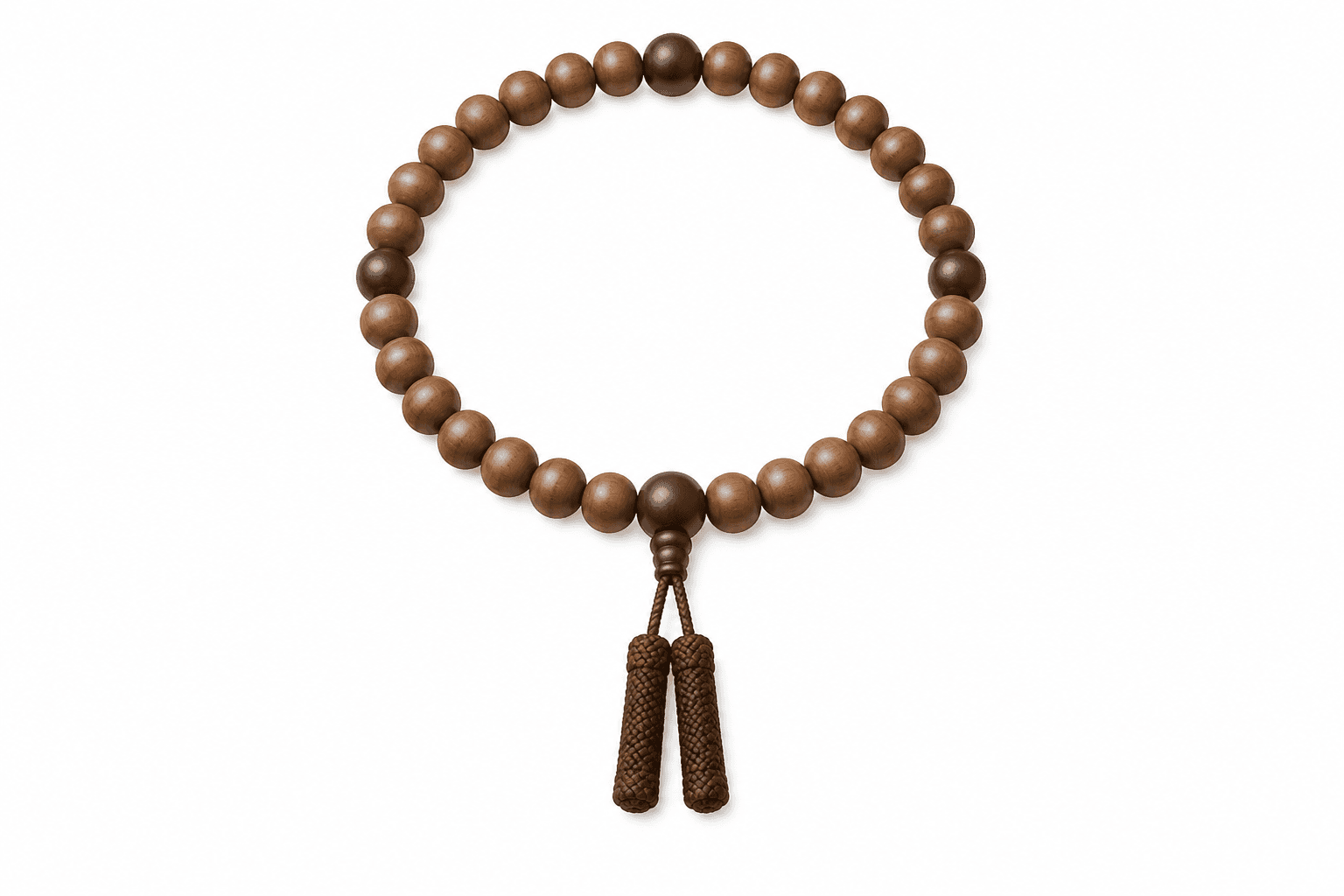
Juzu (Buddhist prayer beads)

You can worship without juzu (prayer beads), but having a set shows extra reverence.

  • When performing gassho, drape them over both hands
  • When not in use, wear them on your left wrist or keep them in your bag
  • Avoid placing juzu directly on tatami mats or the floor

7Other Etiquette

  • Dress: Wear clean, tidy clothing. Avoid revealing outfits
  • Photography: Photographing Buddhist statues is often prohibited. Check before taking any
  • Goshuin: It's proper etiquette to receive your Goshuin (temple stamp) after worshiping
  • Removing shoes: When stepping up into the main hall, take off your shoes and line them up neatly
  • Do not touch the statues: Please don't touch the Buddhist statues

Shrine worship etiquette differs from that of temples.

See shrine worship etiquette →