Power Spots
From shrines and temples to nature and sacred sites — a curated guide to Japan's most notable power spots.
Meoto Iwa (Futami Okitama Taisha)
Two rocks bound together by a large Shimenawa (sacred rice-straw rope) over the sea. They are symbols of marital harmony and the tying of fate.
Kotai-jingu (Ise Jingu Naiku)
The spiritual home of the Japanese people, where Amaterasu Omikami is enshrined.
Hana-no-Iwaya Jinja (Hana-no-Iwaya Shrine)
The Goshintai (sacred object of worship) is a massive rock standing 45 meters high. It is said to be the tomb of Izanami, making it one of the oldest shrines in Japan.
Kiyomizu-dera (Kiyomizu Temple)
A representative Kannon pilgrimage site in Kyoto with over 1250 years of history, famous for the 'Kiyomizu Stage'.
Kasagi-dera (Temple)
Home to a massive Miroku Rock-carved Buddha and a cluster of megaliths. It is a sacred site of Shugendo (ascetic training) where mountain worship and megalith worship are intertwined.
Kurama-dera (Kurama Temple)
One of Kyoto's premier power spots, housing the cosmic energy of Mount Kurama.
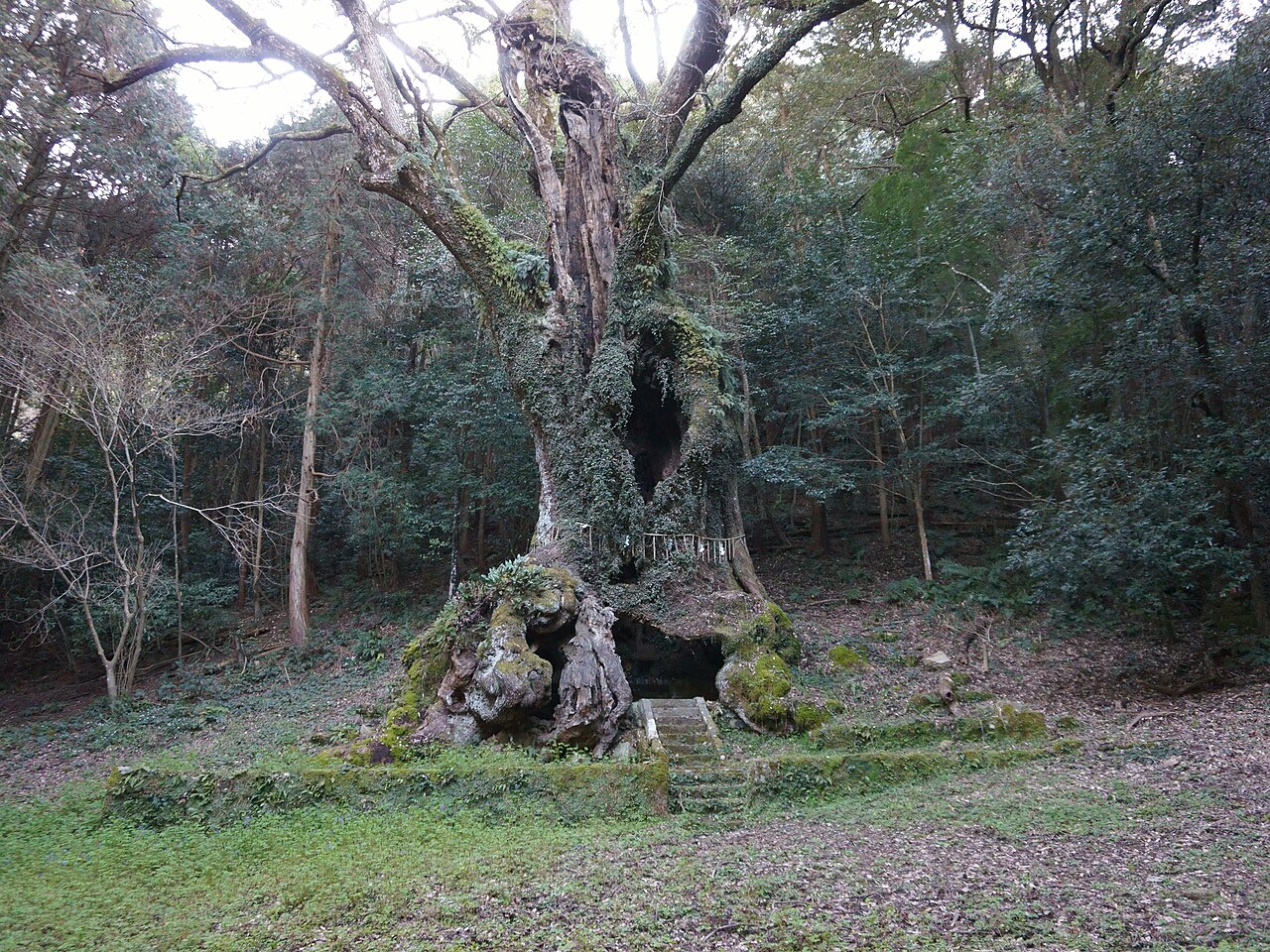
Takeo Jinja no Okusu (The Great Camphor Tree of Takeo Shrine)
A sacred tree (goshinboku) of Takeo Shrine that radiates divine majesty, with an estimated age of approximately 3,000 years and ranked 7th among the largest trees in Japan.
Yutoku Inari Jinja (Yutoku Inari Shrine)
The vermilion-painted Kiyomizu-zukuri style stage built against the mountainside is breathtaking. It is recognized as one of the three major Inari shrines in Japan.
Izanagi-jingu (Izanagi Grand Shrine)
One of Japan's oldest shrines, where the deity Izanagi-no-Mikoto resides after completing the creation of the islands of Japan.
Ishi no Hoden (Ishi Shrine)
A mysterious giant stone structure measuring 6.4 meters wide, 5.7 meters high, and 7.2 meters deep. It is one of the Three Wonders of Japan.
Hokkaido Jingu (Hokkaido Grand Shrine)
The general guardian shrine of Hokkaido, enshrined in the Maruyama forest, dedicated to the guardian deities of Hokkaido's development.
Mashu-ko (Lake Mashu)
An Ainu sacred site known as the "Lake of the Gods." This caldera lake is renowned for having the second-highest water clarity in the world.
Shiretoko Misaki (Shiretoko Cape)
The Ainu sacred site of "Shiretoko (the end of the earth)". A hidden wilderness at the innermost reaches of the Shiretoko Peninsula, a UNESCO World Heritage site.
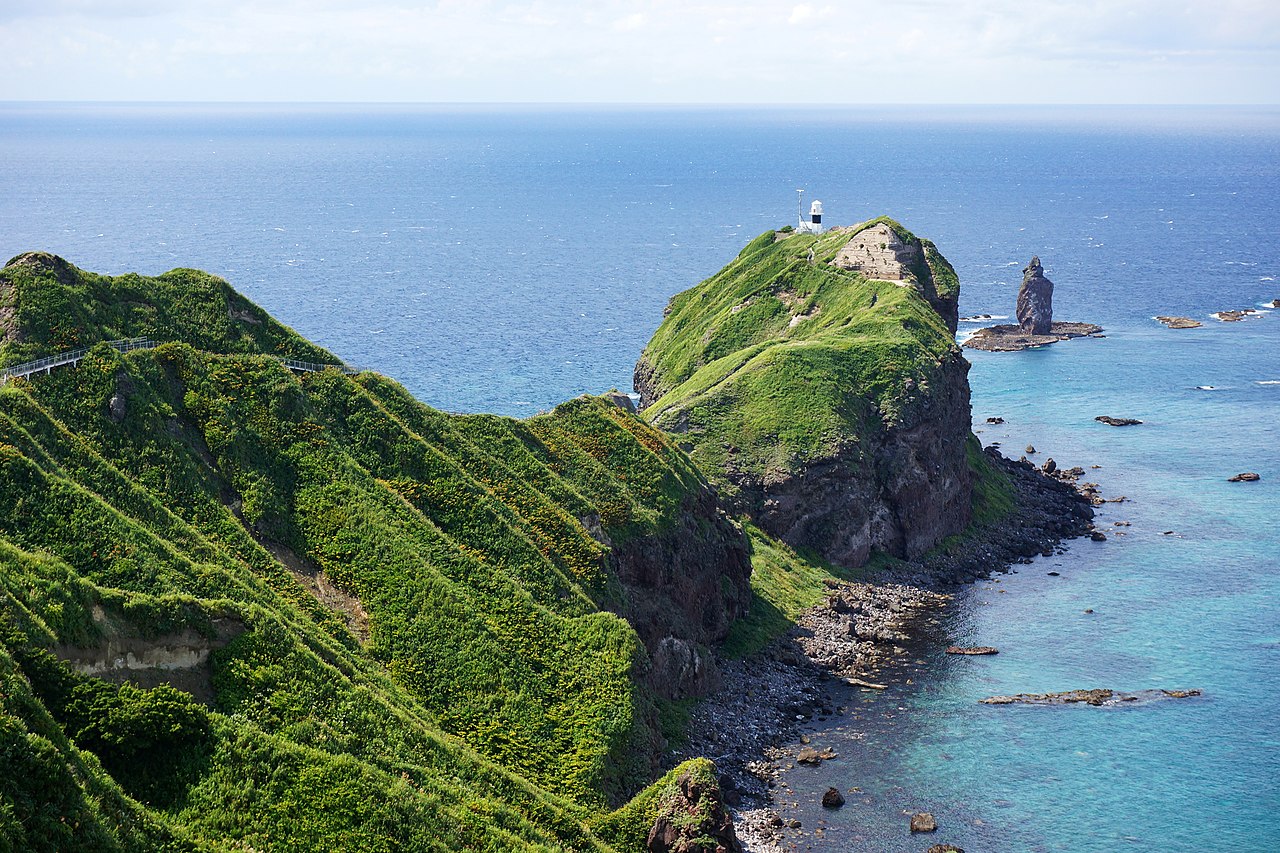
Kamui Misaki (Kamui Cape) and Kamui Iwa
Kamui Iwa is a 41-meter-high rock standing tall from the sea of Shakotan Blue. It is a cape associated with the legends of an Ainu goddess.
Naritasan Shinsho-ji (Naritasan Shinsho-ji Temple)
The head temple for warding off evil and ensuring traffic safety, enshrining the Fudo Myoo statue created by Kobo Daishi Kukai.
Katori Jingu (Katori Grand Shrine)
The head shrine of all Katori shrines across Japan. This is an ancient shrine enshrining the deity of military fortune, Futsunushi no Okami.
Kamikura Jinja (Gotobiki Iwa)
The Goshintai (sacred object) is the massive rock known as 'Gotobiki Iwa' located on the mountain. It is considered the origin of Kumano faith, where Kumano Gongen first descended.
Nachi no Taki (Hiraki Shrine)
One of the three most famous waterfalls in Japan with a drop of 133 meters. The waterfall itself is the Goshintai (sacred body of the deity).
Koyasan Kongobu-ji (Temple)
A sacred site of Shingon Mikyo (Esoteric Buddhism) founded by Kobo Daishi Kukai. It is a religious city located on a mountain at an altitude of 800 meters.
Musashi Ichinomiya Hikawa Jinja (Hikawa Shrine)
The chief guardian shrine of Musashi Province with over 2,400 years of history. It is the origin of the place name "Omiya".
Usa Jingu (Usa Grand Shrine)
The head shrine of the Hachiman shrines, of which there are approximately 44,000 across Japan. Since ancient times, it has been one of the two primary ancestral shrines of the Imperial Court.
Shindo no Taki (Shindo Falls)
A pair of majestic male and female waterfalls cascading into the Kusuike Gorge. Offers a breathtaking view of the Kuju Mountain Range from the Kokonoe Yume Ohashi suspension bridge.
Sumiyoshi Taisha (Sumiyoshi Grand Shrine)
The head shrine of approximately 2,300 Sumiyoshi shrines across Japan. It is the first shrine of Settsu Province and is affectionately known as "Sumiyossan".
Iwafune Jinja (Iwafune Shrine)
The Goshintai (sacred object) is a massive 12-meter-high boat-shaped rock known as 'Ten-Iwafune.' This is the site where Nigihayahi-no-Mikoto descended to earth.
Miwayama (Omiwa Jinja)
A sacred site of some of the oldest worship in Japan, where the mountain itself is the Goshintai (sacred body of the deity).
Omine-san (Omine Mountain)
Standing at an altitude of 1,719 meters, this is the fundamental training ground for Shugendo (ascetic mountain worship) established by En no Gyoja. It remains a sacred mountain (reizan) where the prohibition of women is still observed.
Todai-ji (Todai-ji Temple)
The head temple of the Kegon sect, founded through the devotion of Emperor Shōmu. It is a World Heritage site featuring the "Great Buddha of Nara" as its primary object of worship.
Horyu-ji (Horyu-ji Temple)
The world's oldest group of wooden structures, associated with Prince Shotoku. It was Japan's first World Heritage site.
Tamaki Jinja (Tamaki Shrine)
The Okumiya (inner sanctuary) of the Kumano Sanzan (Three<image|>Mountains of Kumano), nestled on a sacred mountain (reizan) at an altitude of 1,076 meters, known as a place that "only those who are called can reach."
Shiogama Jinja (Shiogama Shrine)
A guardian of the Tohoku region and the first of the Mutsu Province shrines. It enshrines the deity of salt production and serves as a protector of the sea and daily life.
Amanoiwato (Amanoiwato Shrine)
A cave where it is said that Amaterasu Omikami (the sun goddess) retreated. This is the central site of the mythology of the hiding in the cave.
Takachiho-kyo (Takachiho Gorge)
The land of the Tenson Korin (Descent of the Heavenly Grandson) myth. A mystical canyon where sheer cliffs of columnar jointing and the Manai Waterfall intertwine.
Udo Jingu (Udo Grand Shrine)
A vermilion-painted main hall (honden) nestled within a sea cave. It is famous for being a 'Shimorimiya' (a shrine where one descends to worship) and for the 'Un-dama Nage' (throwing a lucky ball) ritual.
Shomyodaki Falls
A magnificent waterfall with a 350-meter drop, recognized as Japan's largest four-tiered great waterfall. It is a famous site where the Shomyo River plunges from the Midagahara plateau of the Tateyama mountain range.
Oyama Jinja (Oyama Shrine)
The first shrine of Etchū Province, which takes the sacred peak of Tateyama as its Goshintai (sacred body). It is the center of Tateyama faith.
Akiyoshi-do (Akiyoshi Cave)
One of Japan's leading limestone caves with a total length of 10 kilometers. It is a Special Natural Monument featuring the breathtaking Hyakumaizara (Hundred Plate) and Ogonbashira (Golden Pillar).
Akama-jingu (Akama Grand Shrine)
A shrine located at the Kanmon Straits, the site of the downfall of the Taira clan, enshrining Emperor Antoku who entered the waters of Dan-no-ura.
Dewasanzan Jinja (Dewasanzan Shrines)
A sacred site for the faith of the three mountains: Haguro-san, Gassan, and Yudono-san. It is a central location for Shugendo (ascetic mountain worship).
Gassan (Mount Gassan)
Standing at an altitude of 1,984 meters, this is the main peak of the Dewa Sanzan (Three Mountains of Dewa) and a sacred site for Shugendo (ascetic mountain worship) where Tsukuyomi-no-Mikoto is enshrined.
Haguro-san (Mount Haguro)
Standing at an altitude of 414 meters, this mountain represents the "present world" (Utsushiyo) of the Dewa Sanzan (Three Mountains of Dewa) and houses the oldest National Treasure five-story pagoda in the Tohoku region.
Yamataka Jindai Sakura (Ancient Cherry Tree of the Age of the Gods)
A cherry tree estimated to be approximately 2,000 years old, considered the oldest cherry tree in Japan. It is a sacred tree (goshinboku) associated with the legends of Yamato Takeru.
Takeda Jinja (Takeda Shrine)
A shrine located on the site of the Tsutsujigasaki-yakata, enshrining the famous Sengoku period general Takeda Shingen. It is revered as a deity of victory.
Aokigahara Jukai (Aokigahara Forest)
A primeval forest that has spread over 1,200 years atop the lava flows of the Jōkan Great Eruption. Includes the Fugaku Wind Cave and Narusawa Ice Cave.
Nangu Taisha (Nangu Grand Shrine)
One of the Ichinomiya (first shrines) of Mino Province. It serves as the head shrine for Kanayamahiko and the mining industry across Japan.
Neodani no Usuzumi Sakura (Pale Ink Cherry Blossom of Neodani)
A famous cherry blossom tree said to have been planted by Emperor Keitai, with an estimated age of over 1,500 years.
Yoro no Taki (Yoro Waterfall)
A famous waterfall with a 32-meter drop, known for the legend of the filial daughter who discovered the 'Waterfall of Sake'.
Kibitsu Jinja (Kibitsu Shrine)
The model for the Momotaro legend. This site is the first shrine of the Bitchu Province, featuring a beautiful main hall (honden) built in the National Treasure-designated Hiyoku-irimoya style.
Kanba no Taki (Kanba Falls)
A tiered waterfall with a 110-meter drop, one of the largest in Western Japan. It is renowned for its autumn foliage and wild Japanese macaques.
Daigo Sakura (Daigo Cherry Tree)
A famous single cherry tree estimated to be approximately 1,000 years old, which was admired by Emperor Go-Daigo.
Chuson-ji (Temple)
A World Heritage site in Hiraizumi where the Oshu Fujiwara clan expressed the Pure Land (Jodo). The Konjikido (Golden Hall) is designated as a National Treasure.
Hayachine-san (Mount Hayachine)
Standing at an altitude of 1,917 meters, it is the highest peak of the Kitakami Mountains and the sacred mountain of Hayachine Kagura (a UNESCO Intangible Cultural Heritage).
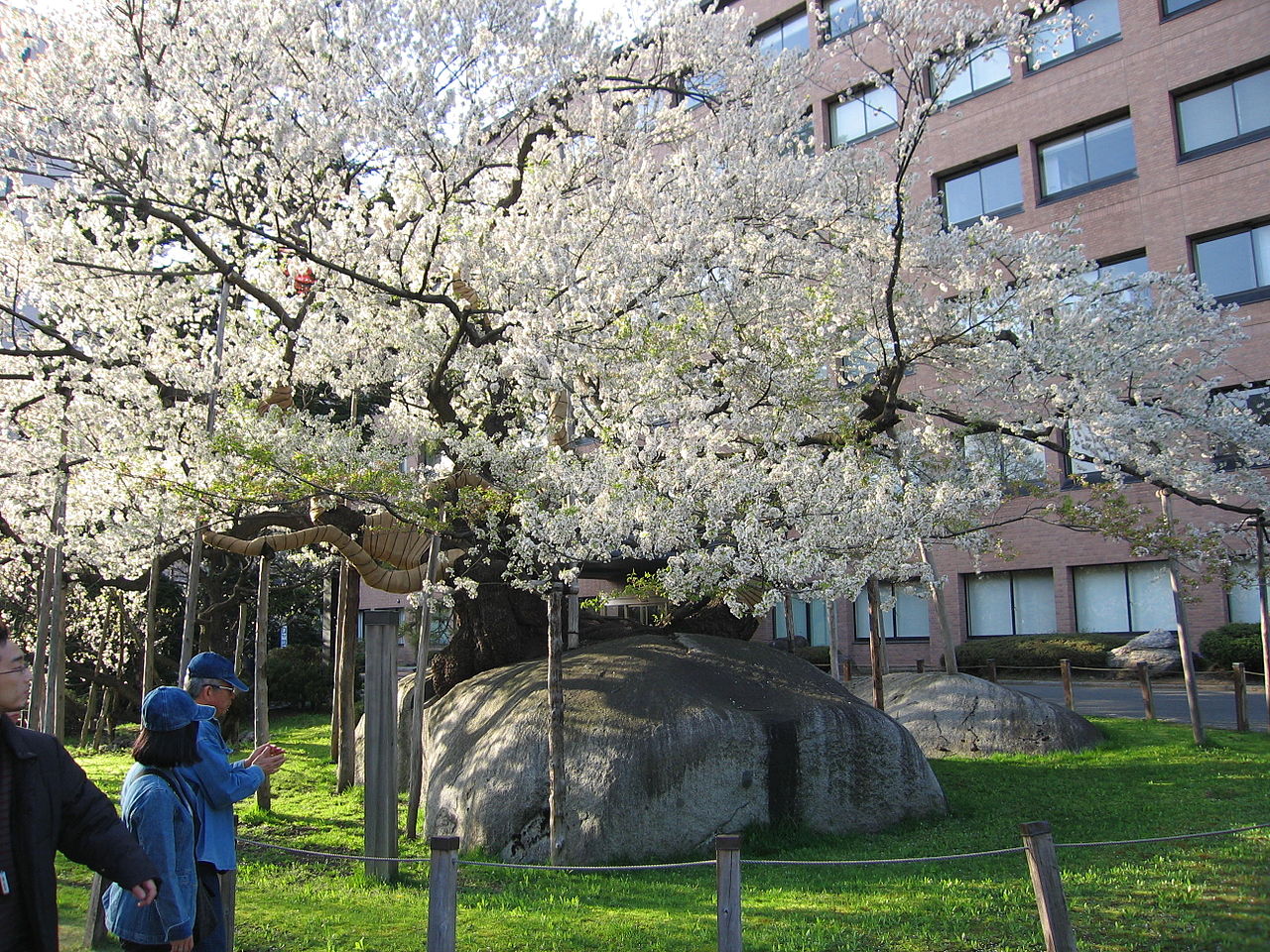
Ishiwari-zakura (Cherry Tree Growing from a Rock Fissure)
An Edohigan cherry tree over 360 years old, growing from a crack in a massive granite boulder.
Rikuchu Ichinomiya Komagata Jinja (Komagata Shrine)
The first of the eight shrines of the Rikuchu Province. This ancient shrine is said to have been founded during the era of Emperor Yuryaku and serves as the center of mountain worship for Mount Komagatake.
Ryusen-do (Ryusen Cave)
One of Japan's three largest limestone caves. It features a world-class underground lake known as "Dragon Blue."
Izumo Taisha (Izumo Grand Shrine)
A representative power spot in Japan for matchmaking, enshrining the deity of destiny.
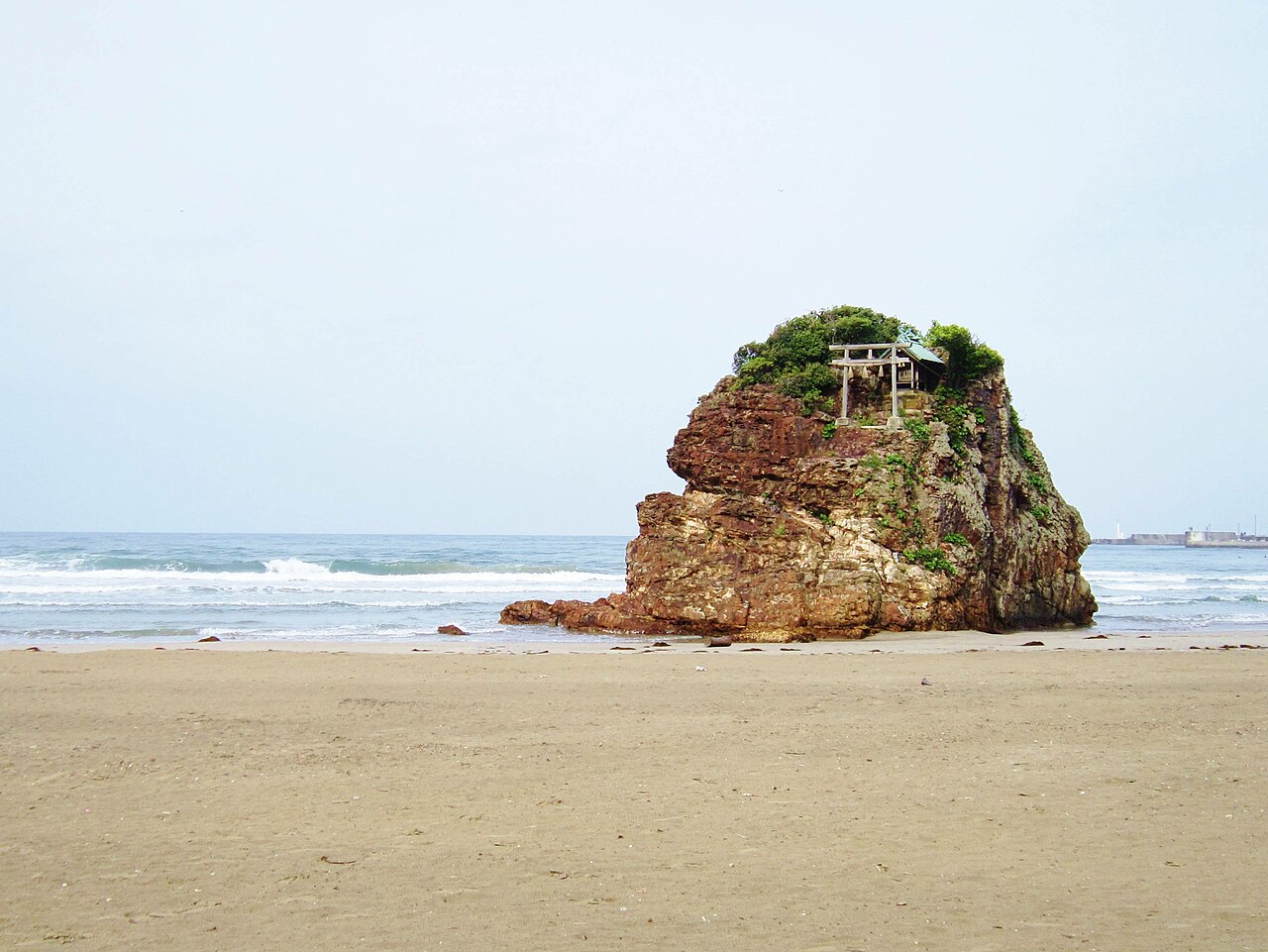
Inasa-no-Hama (Inasa Beach)
The setting of the Kuniyuzuri (Land Transfer) myth. This is a beach where the myriad deities of Japan descend during the Kamiarizuki (Month of the Gods).
Itsukushima Jinja (Itsukushima Shrine)
A World Heritage site and sea shrine famous for its grand torii gate standing in the ocean.
Oasahiko Jinja (Oasahiko Shrine)
The first of the Awa Province shrines (Awa no Ichinomiya). This ancient shrine is renowned for its sacred tree (mikimi) over a thousand years old and the German Bridge.
Oyamazumi Jinja (Oyamazumi Shrine)
The head shrine of the national Yamazumi and Mishima shrines. It is known as the Iyo Province Ichinomiya (the first of the three most important shrines in Iyo Province) and is referred to as the "Nihon So-chinju" (the General Guardian of Japan).
Ishizuchi-san (Mount Ishizuchi)
Standing at an altitude of 1,982 meters, it is the highest peak in Western Japan and a sacred mountain (reizan) associated with the figures En no Gyoja and Kukai.
Atsuta Jingu (Atsuta Grand Shrine)
A highly revered shrine, second only to Ise Jingu, which enshrines the Kusanagi no Tsurugi (the Sword of the Grass-Cutting), one of the Three Sacred Treasures of Japan.
Yahiko Jinja (Yahiko Shrine)
Known as "Oyahiko-sama," this is the Echigo Ichinomiya (the first of the provincial shrines of Echigo) with Mount Yahiko as its Goshintai (sacred body). It is an ancient shrine with a history of over 2,400 years.
Meiji Jingu (Meiji Grand Shrine)
A Grand Shrine nestled in a forest in the heart of the city, enshrining Emperor Meiji and Empress Shoken.
Senso-ji (Senso-ji Temple)
Founded in 628 CE, it is the oldest temple in Tokyo. It is a famous sacred site for Kannon (the Goddess of Mercy), renowned for its Kaminarimon Gate and Nakamise shopping street.
Kozushima Tenjo-san (Mount Tenjo)
A sacred mountain in the Izu Islands where it is said that "the deities gathered to share the waters." It is one of the New Tokyo 100 Views.
Nikko Toshogu (Nikko Toshogu Shrine)
A magnificent Grand Shrine and UNESCO World Heritage site dedicated to Tokugawa Ieyasu.
Kegon no Taki (Kegon Falls)
A massive waterfall with a 97-meter drop plunging from Lake Chuzenji. It is recognized as one of the three most famous waterfalls in Japan.
Sefa Utaki (Sefa Utaki)
The highest-ranking sacred site of the Ryukyu Kingdom, where the creator deity Amamikiyo descended. It is a UNESCO World Heritage site.
Naminoue-gu (Naminoue Shrine)
The highest-ranking shrine among the Ryukyu Hassha (Eight Shrines of Ryukyu) and the general guardian deity of the Ryukyu Kingdom, situated atop a cliff.
Taga Taisha (Taga Grand Shrine)
Affectionately known as "O-Taga-san," this shrine enshrines the two deities, Izanagi and Izanami. It is a Grand Shrine renowned for longevity and matchmaking.
Hieizan Enryaku-ji (Enryaku-ji Temple on Mount Hiei)
The head temple of the Tendai Sect, founded by Saicho. It is a World Heritage site known for 1,200 years as the 'Mother Mountain of Japanese Buddhism'.
Nabegataki (Nabegataki Falls)
A 'Urami no Taki' (hidden waterfall) where you can walk behind the falling water. It offers a mystical landscape created by geological layers formed during the Aso Caldera formation period.
Aso Jinja (Aso Shrine)
One of Japan's three great tower gates (Romon), this site considers the crater of Mount Aso as its sacred body. It is the first shrine of Higo Province with a history spanning over 2,000 years.
Hakusan Hime Jinja (Hakusan Hime Shrine)
The head shrine of over 3,000 Hakusan shrines across Japan, with the sacred mountain of Hakusan as its Goshintai (sacred body).
Kawasaki Daishi (Hirama-dera)
Known as the "Great Master of Warding off Evil." Founded in 1128, it is one of the most prominent sacred sites for protection against misfortune in the Kanto region.
Enoshima Jinja (Enoshima Shrine)
One of the three major Benzaiten (deities of music, wealth, and knowledge) in Japan, located on Enoshima. It is an island of matchmaking where three goddesses reside.
Kehi-jingu (Kehi Grand Shrine)
The general guardian of the Hokuriku Road and the first shrine of Echizen Province. It is a famous site home to one of the three largest wooden torii gates in Japan.
Eiheiji (Eiheiji Temple)
The head temple of the Soto school of Zen Buddhism, founded by Zen Master Dogen. It serves as a fundamental dojo for Zazen (seated meditation) practice, nestled within a deep forest of cedar trees.
Dazaifu Tenmangu (Dazaifu Tenmangu Shrine)
The head shrine of all Tenmangu shrines in Japan, enshrining the deity of learning, Sugawara no Michizane.
Miyajidake Jinja (Hikari no Michi)
The head shrine of the Miyajidake shrines nationwide, famous for the 'Hikari no Michi' (Path of Light), where the setting sun aligns with the extension of the approach path twice a year.
Okinoshima (Munakata Taisha Okitsumiya)
The entire island is considered a Goshintai (sacred body of the deity). It is a World Heritage site and a sanctuary of ancient rituals where landing by the general public is prohibited.
Miharu Takizakura (Miharu Waterfall Cherry Tree)
A Benishidare (red weeping cherry) tree over 1,000 years old. It is ranked as the foremost of the "Three Great Cherry Trees of Japan."
Isasumi Jinja (Isasumi Shrine)
The site is the Iwashiro Province Ichinomiya (First Shrine) and the General Guardian of Aizu, serving as the origin of the place name "Aizu".
Taiheizan Miyoshi Jinja (Taiheizan Miyoshi Shrine)
The head shrine of the Miyoshi shrines nationwide, enshrining the 'God of Power,' Miyoshi Reishin.
Tazawa-ko (Lake Tazawa)
Japan's deepest lake with a maximum depth of 423.4 meters. It is the site of the legend of Tatsuko-hime, who prayed for eternal youth.
Chokaisan (Mount Chokai)
Standing at an altitude of 2,236 meters, this is a sacred mountain (reizan) in the Tohoku region where the deity Omotoki-no-kami resides. It is often referred to as "Dewanoshi" (the Fuji of Dewa).
Haruna Jinja (Haruna Shrine)
A famous shrine on Mount Haruna that preserves the legacy of Shugendo (ascetic mountain worship), featuring a path lined with unique rock formations and waterfalls, as well as the Osugata Iwa.
Oiwa Jinja (Oiwa Shrine)
The oldest sacred mountain (reizan) in Hitachi Province, dating back to the Jomon period, enshrining 188 deities.
Kamiiso no Torii (Oarai Isosaki Jinja)
A vermilion torii gate (shrine gate) standing on a reef in the sea. A sacred site of breathtaking scenery where it is said that the deity Ōmikimi descended.
Fukuroda no Taki (Fukuroda Falls)
A massive four-tiered waterfall with a drop of 120 meters and a width of 73 meters. It is one of the Three Famous Waterfalls of Japan, known for becoming a stunning ice waterfall in winter.
Kashima Jingu (Kashima Grand Shrine)
The head shrine of all Kashima shrines across Japan, enshrining the deity of nation-building and martial arts, Takemikazuchi no Okami.
Chinzei Taisha Suwa Jinja (Chinzei Grand Shrine Suwa Shrine)
The guardian deity of the entire Nagasaki region. Chinzei Taisha is widely known for the 'Nagasaki Kunchi' festival.
Bungui-toge (Bungui Pass)
A premier "zero magnetic field" spot located along the Median Tectonic Line.
Zenko-ji (Temple)
A famous saying says, "One must visit Zenko-ji at least once in a lifetime." It is an ancient temple that welcomes everyone regardless of sect.
Ontake-san (Mount Ontake)
Standing at an altitude of 3,067 meters, this active volcano is the second highest in Japan after Mount Fuji and serves as a sacred mountain for Ontake faith.
Togakushi-yama (Mount Togakushi)
Standing at an altitude of 1,904 meters, this is the mountain of the legend of Ama-no-Iwato, which was thrown away during the myth of the Hidden Rock.
Suwa Taisha Kamisha Honmiya (Suwa Grand Shrine, Upper Shrine, Main Sanctuary)
The head shrine of all Suwa shrines across Japan. A sacred site of Onbashira (sacred pillars) and primitive faith.
Lake Suwa
Covering an area of 12.81 square kilometers, it is the largest lake in Nagano Prefecture. It is the center of Suwa faith and is famous for the 'Omiwatari' phenomenon during the severe cold season.
Iwakiyama Jinja (Iwakiyama Shrine)
The first of the three great shrines of Tsugaru Province, this site features the sacred mountain of Tsugaru, Iwakiyama, as its Goshintai (sacred body). It is a renowned shrine often referred to as 'Oku-Nikko'.
Fujisan (Mount Fuji)
The highest peak in Japan at 3,776 meters. It is a symbol of mountain worship, revered since ancient times as a 'Reiho' (sacred peak).
Fujisan Hongu Sengen Taisha (Fujisan Hongu Sengen Grand Shrine)
The head shrine of all Sengen shrines across Japan, which enshrines Mount Fuji as its sacred body (goshintai).
Kinomiya no Okusu (The Great Camphor Tree of Kinomiya Shrine)
The largest tree on Honshu with an estimated age of over 2,100 years. It is a sacred tree (goshinboku) said to extend one's lifespan if you walk around it once.
Joren-no-Taki (Joren Falls)
A representative vertical waterfall of the Izu region, where water flows over columnar jointing of basalt. It is the setting for the famous song 'Amagi-goe'.
Shiraito no Taki (Shiraito Falls)
A component of the Mount Fuji World Heritage site, where the subterranean water of Mount Fuji flows down like silk threads.
Kotohira-gu (Kotohira-san)
Known affectionately as "Kotohira-san," this shrine is nestled on the slopes of Zoto-san. It serves as the guardian deity of the sea, situated at the end of 785 stone steps.
Tosa Jinja (Tosa Shrine)
The first of the Tosa Province shrines (Tosa-no-Kuni Ichinomiya). This is an ancient shrine featuring a beautiful main hall (honden) built in the unique 'Iritonbo-gata' (dragonfly-wing) style by Chosokabe Motochika.
Sugi no Osugi (Great Cedar)
A Special Natural Monument estimated to be 3,000 years old. It is a massive twin-trunked cedar tree hailed as the largest cedar in Japan.
Daisen (Mount Daisen)
Standing at 1,729 meters, it is the highest peak in the Chugoku region. Since ancient times, it has served as a sacred mountain (reizan) and the center of Daisen faith.
Hakuto Jinja (Hakuto Shrine)
The setting of the "Inaba no Shirousagi" (White Rabbit of Inaba) myth. It is considered the birthplace of Japan's oldest love story and the origin of medical practice.
Sakurajima
An active volcano standing at an elevation of 1,117 meters. It serves as the symbol of southern Kyushu, floating in Kagoshima Bay.
Jomon Sugi (Jomon Cedar)
One of the largest Yakusugi cedars on Yakushima Island. A sacred tree (goshinboku) within a World Natural Heritage site, estimated to be thousands of years old.
Kamou no Kusu (The Great Tree of Kamou)
With a trunk circumference of 24.2 meters and an estimated age of approximately 1,500 years, it was certified by the Environment Agency as the 'Largest Giant Tree in Japan'.
Kamafuta Jinja (Imatate Hyoshu Jinja)
A coastal shrine on the Satsuma Peninsula overlooking Mount Kaimon, famous for a unique worship ritual where visitors carry a pot lid on their heads from the torii gate to the main hall (honden).
Kaimon-dake (Mount Kaimon)
Standing at an elevation of 924 meters, this peak is known as the "Satsuma Fuji" at the southern tip of the Satsuma Peninsula. Located at its foot is the Hirakiki Shrine, one of the first three shrines of the Satsuma Province.
Kirishima Jingu (Kirishima Grand Shrine)
The largest Jingu (Grand Shrine) in southern Kyushu, situated in the Kirishima mountain range—the land where the heavenly grandson descended.
Coverage is expanding gradually starting with major power spots. Please check official sources before visiting, as details may change.