社数
7社
移動手段
車
目安
1 day by car (7 shrines and temples)
The "Miyako Shichifukujin Meguri" is a pilgrimage to worship the Seven Lucky Gods at seven different shrines and temples in Kyoto. Said to have begun during the Muromachi period, it is considered the oldest Shichifukujin pilgrimage in Japan.
In particular, visiting during the New Year has been a long-standing tradition, where pilgrims can receive large Gōhōin (sacred seals) to collect on a decorative sheet. This pilgrimage offers a unique Kyoto experience, passing through famous temples including the World Heritage site Tōji (Tōji Temple).
このコースの見どころ
- ◆Considered the oldest Shichifukujin pilgrimage in Japan
- ◆Includes famous Kyoto temples such as the World Heritage site Tōji (Tōji Temple)
- ◆Famous for New Year's visits and collecting Gōhōin (sacred seals)
- ◆Spans from Kyoto City to Manpuku-ji (Manpuku Temple) in Uji
このコースで出会える風景

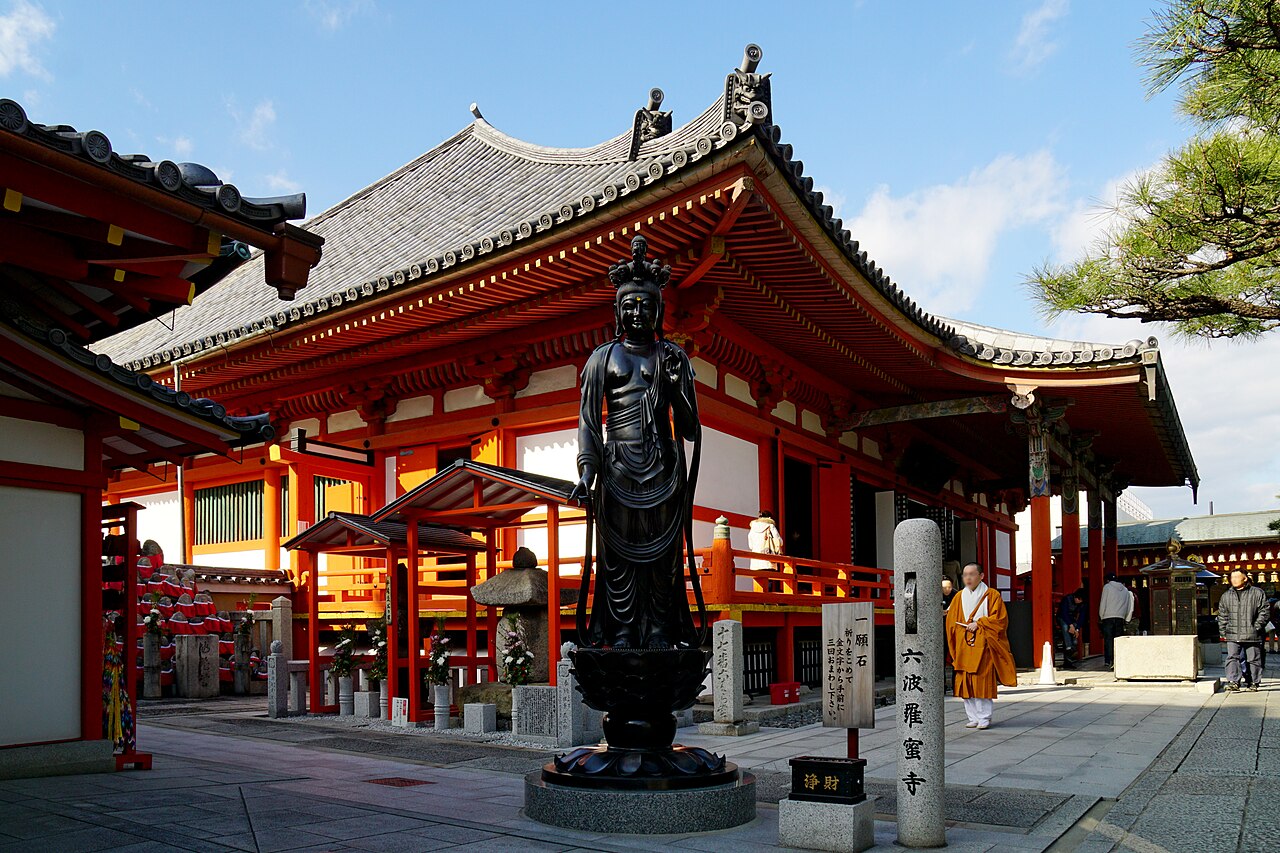
弁財天を祀る六波羅蜜寺

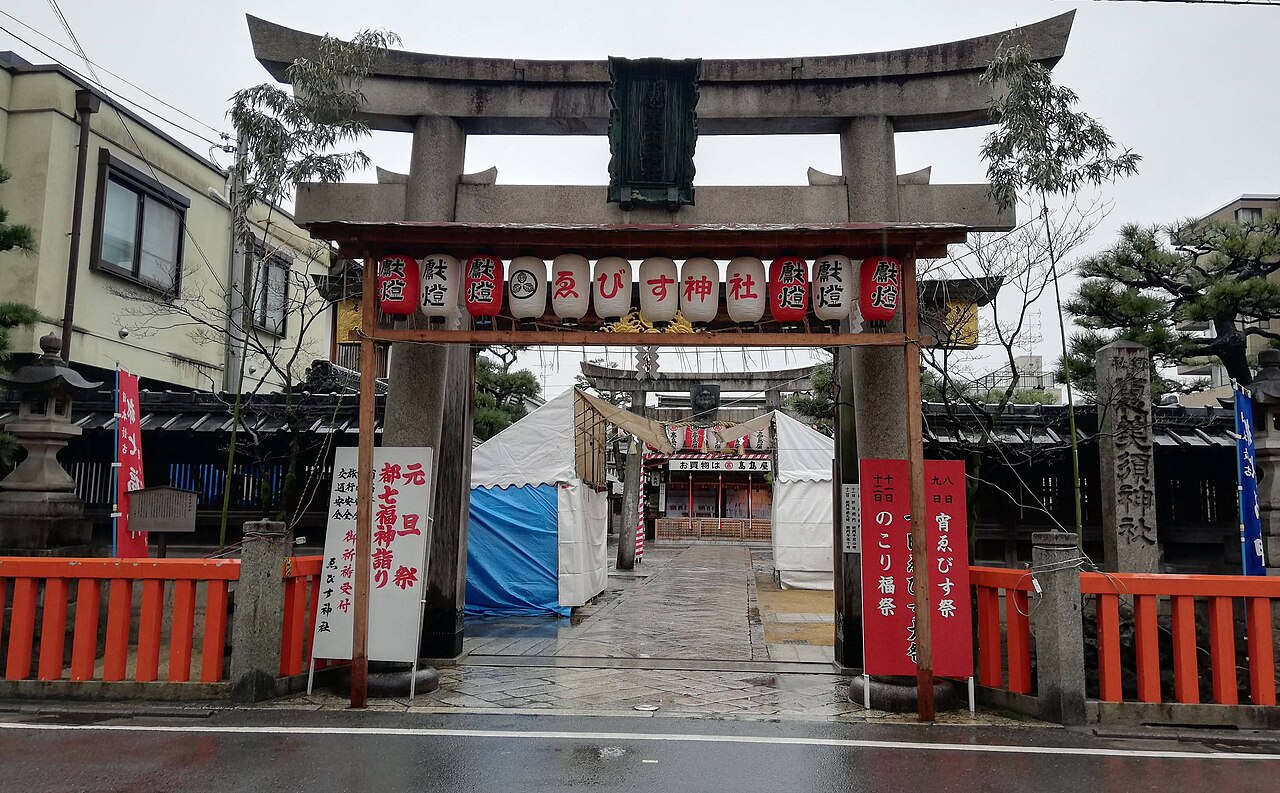
「えべっさん」で親しまれる京都ゑびす神社
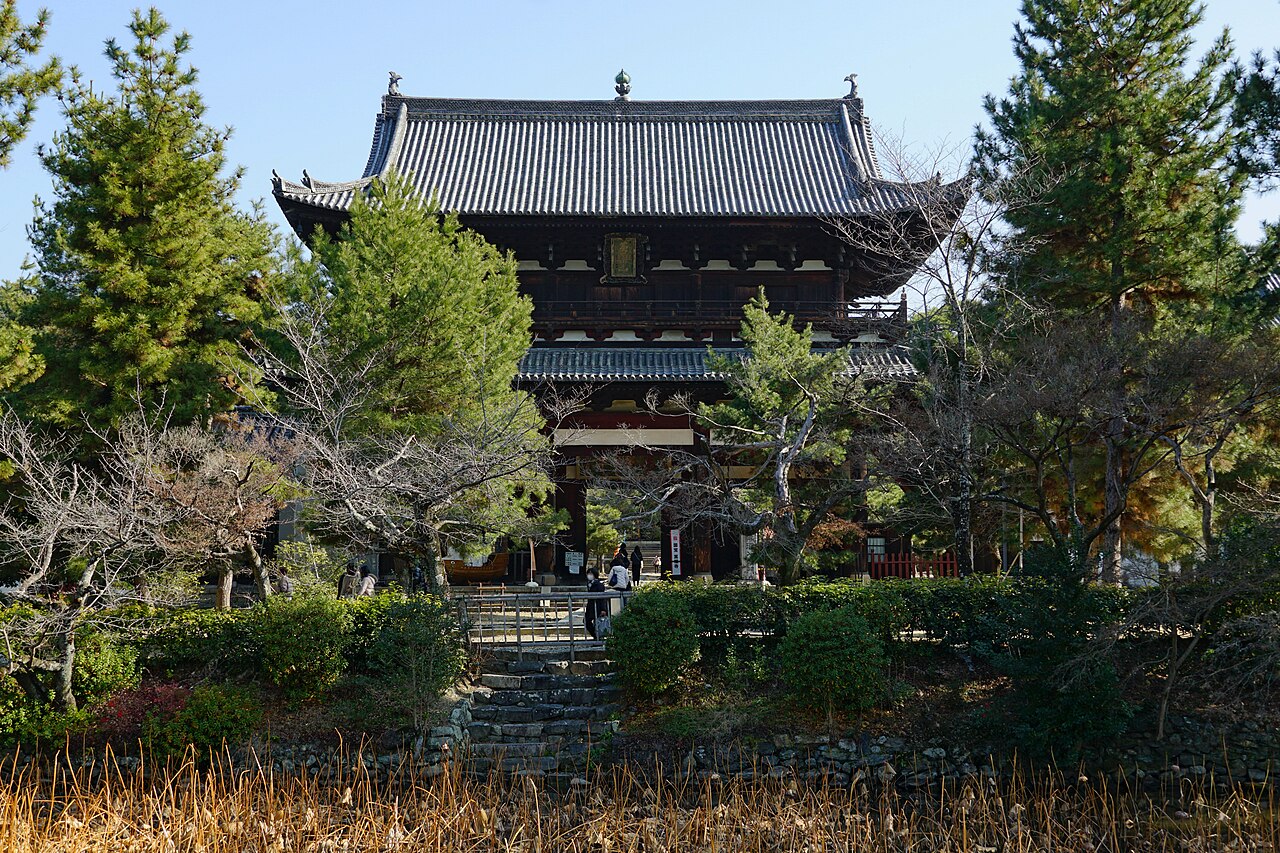
中国・明朝風の伽藍で知られる宇治・萬福寺
歴史・由来
Said to have originated in the Muromachi period, the "Miyako Shichifukujin Meguri" is considered the oldest Shichifukujin pilgrimage in Japan. It involves visiting the Seven Lucky Gods enshrined at seven shrines and temples throughout Kyoto.
It is believed that visiting during the New Year brings great spiritual merit, and the tradition of receiving and collecting large Gōhōin (sacred seals) on a decorative sheet remains popular today.
このコースで楽しめること
You will visit iconic Kyoto temples and ancient shrines, such as Bishamonten at the World Heritage site Tōji (Tōji Temple), Benzaiten at Ropparamitsu-ji (Ropparamitsu Temple) associated with Kūya Shōnin, and Ebisu-shin at Kyoto Ebisu-jinja (Kyoto Ebisu Shrine), famous for its "Ebessan" festival. The Manpuku-ji (Manpuku Temple) in Uji is known for its temple complex built in the style of the Chinese Ming Dynasty and its Hotei-son (Hotei Buddha), offering a touch of exotic atmosphere different from typical Kyoto sights.\n Since the shrines and temples are widely scattered from Kyoto City to Uji, it is recommended to take a full day to complete the circuit by car or public transportation.
📍 京都駅 をスタートに、車で巡るルートを自動作成します
巡拝コース(7社)
- 1Ebisu-shinKyoto
Kyoto Ebisu Shrine
A shrine famous for the 'Tokka Ebisu' festival, where people pray for business prosperity while holding bamboo branches. It enshrines Ebisu-shin (the god of luck and commerce).
神社の詳細を見る ›
- 2BishamontenKyoto
Toji (Toji Temple)
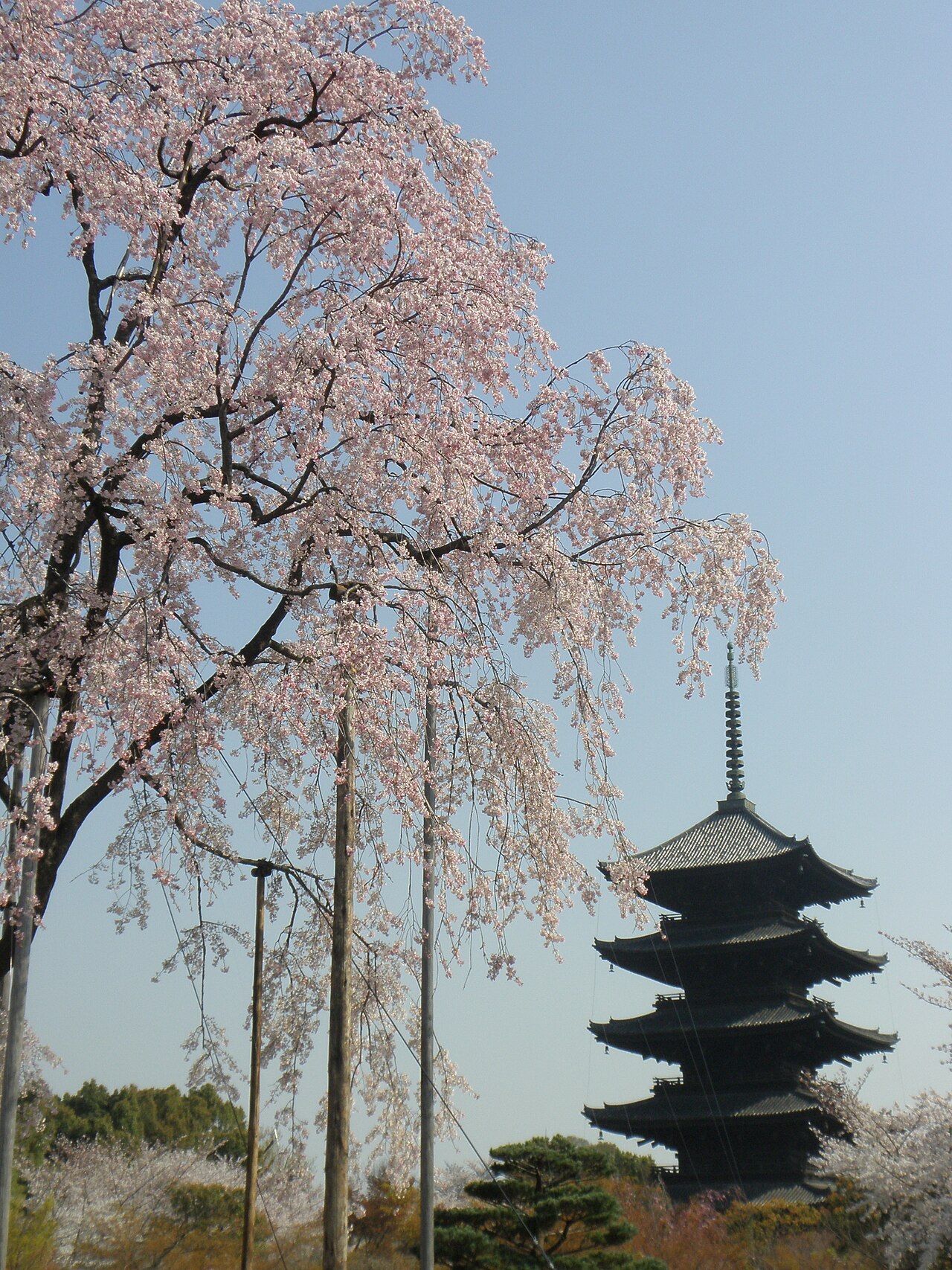
A World Heritage site and the head temple of the Shingon sect, renowned for its five-story pagoda. As one of the Miyako Shichifukujin (the Seven Lucky Gods of the Capital), it enshrines Bishamonten (the god of victory and wealth).
神社の詳細を見る ›
- 3DaikokutenKyoto
Myoenji (Matsugasaki Daikokuten)
A Nichiren sect temple affectionately known as 'Matsugasaki no Daikokusan.' It enshrines Daikokuten (the god of prosperity and good fortune).
神社の詳細を見る ›
- 4Fukurokuju-shinKyoto
赤山禅院
A sub-temple of Hieizan Enryaku-ji temple and a famous spot for autumn foliage. It enshrines Fukurokuju-shin (the god of longevity and health).
神社の詳細を見る ›
- 5Juro-shinKyoto
Kawado Gyouganji
Affectionately known as a neighborhood shrine in Kyoto, this is No. 19 of the Saigoku Sanjūsho (the 33 Pilgrimage Sites of the West). It enshrines Juro-shin (the god of longevity).
神社の詳細を見る ›
- 6BenzaitenKyoto
Rokuharamitsuji (Rokuharamitsu Temple)
An ancient temple associated with the priest Kuya. It enshrines Benzaiten (the goddess of fortune and the arts).
神社の詳細を見る ›
- 7Hotei-sonKyoto
萬福寺
The head temple of the Obaku sect in Uji. Known for its Chinese-style architecture, it enshrines Hotei-son (the god of laughter and happiness).
神社の詳細を見る ›
計画に取り込んだあと、移動手段やスタート地点は自由に変更できます。