Power Spots
From shrines and temples to nature and sacred sites — a curated guide to Japan's most notable power spots.
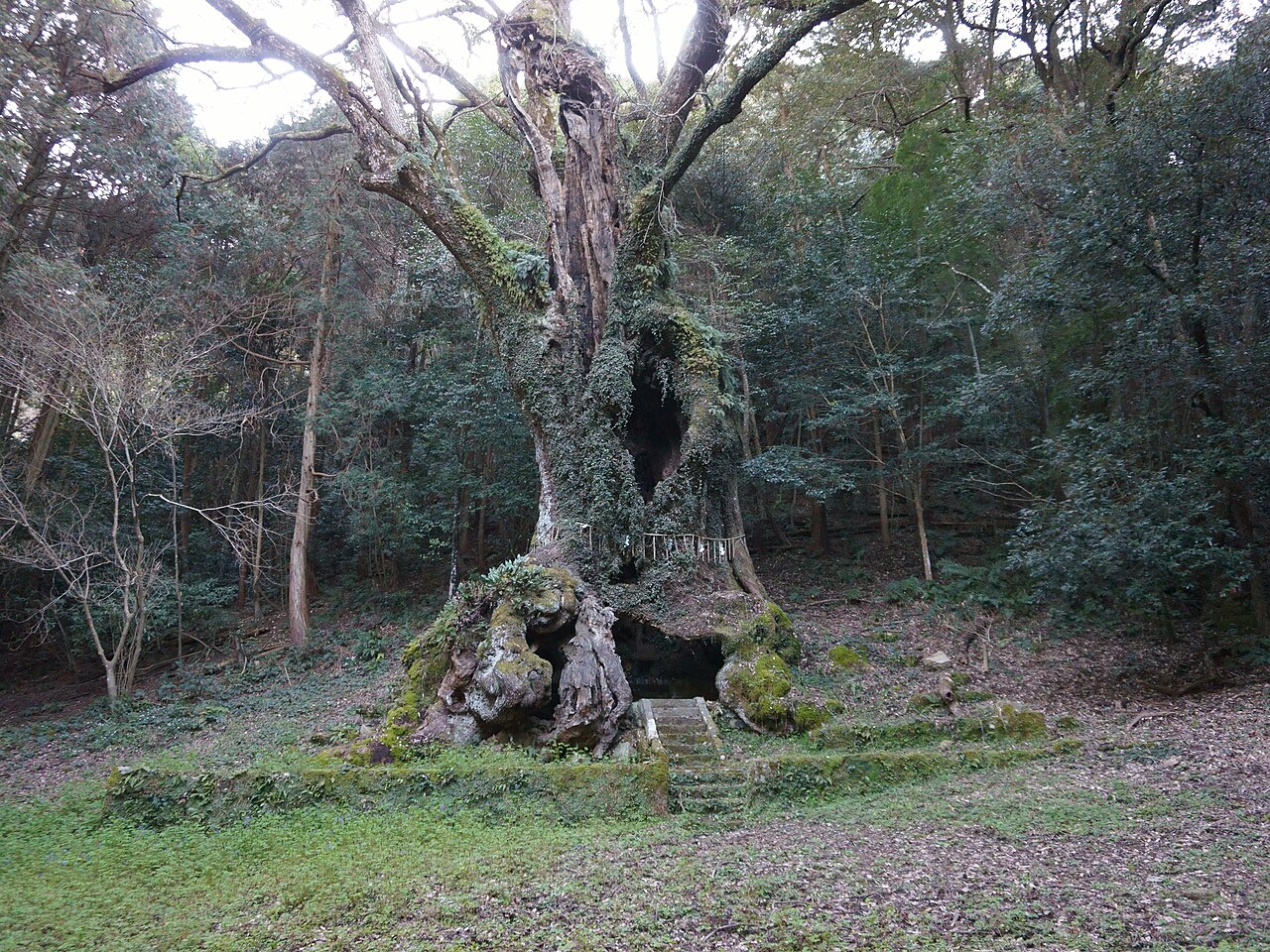
Takeo Jinja no Okusu (The Great Camphor Tree of Takeo Shrine)
A sacred tree (goshinboku) of Takeo Shrine that radiates divine majesty, with an estimated age of approximately 3,000 years and ranked 7th among the largest trees in Japan.
Yutoku Inari Jinja (Yutoku Inari Shrine)
The vermilion-painted Kiyomizu-zukuri style stage built against the mountainside is breathtaking. It is recognized as one of the three major Inari shrines in Japan.
Usa Jingu (Usa Grand Shrine)
The head shrine of the Hachiman shrines, of which there are approximately 44,000 across Japan. Since ancient times, it has been one of the two primary ancestral shrines of the Imperial Court.
Shindo no Taki (Shindo Falls)
A pair of majestic male and female waterfalls cascading into the Kusuike Gorge. Offers a breathtaking view of the Kuju Mountain Range from the Kokonoe Yume Ohashi suspension bridge.
Amanoiwato (Amanoiwato Shrine)
A cave where it is said that Amaterasu Omikami (the sun goddess) retreated. This is the central site of the mythology of the hiding in the cave.
Takachiho-kyo (Takachiho Gorge)
The land of the Tenson Korin (Descent of the Heavenly Grandson) myth. A mystical canyon where sheer cliffs of columnar jointing and the Manai Waterfall intertwine.
Udo Jingu (Udo Grand Shrine)
A vermilion-painted main hall (honden) nestled within a sea cave. It is famous for being a 'Shimorimiya' (a shrine where one descends to worship) and for the 'Un-dama Nage' (throwing a lucky ball) ritual.
Sefa Utaki (Sefa Utaki)
The highest-ranking sacred site of the Ryukyu Kingdom, where the creator deity Amamikiyo descended. It is a UNESCO World Heritage site.
Naminoue-gu (Naminoue Shrine)
The highest-ranking shrine among the Ryukyu Hassha (Eight Shrines of Ryukyu) and the general guardian deity of the Ryukyu Kingdom, situated atop a cliff.
Nabegataki (Nabegataki Falls)
A 'Urami no Taki' (hidden waterfall) where you can walk behind the falling water. It offers a mystical landscape created by geological layers formed during the Aso Caldera formation period.
Aso Jinja (Aso Shrine)
One of Japan's three great tower gates (Romon), this site considers the crater of Mount Aso as its sacred body. It is the first shrine of Higo Province with a history spanning over 2,000 years.
Dazaifu Tenmangu (Dazaifu Tenmangu Shrine)
The head shrine of all Tenmangu shrines in Japan, enshrining the deity of learning, Sugawara no Michizane.
Miyajidake Jinja (Hikari no Michi)
The head shrine of the Miyajidake shrines nationwide, famous for the 'Hikari no Michi' (Path of Light), where the setting sun aligns with the extension of the approach path twice a year.
Okinoshima (Munakata Taisha Okitsumiya)
The entire island is considered a Goshintai (sacred body of the deity). It is a World Heritage site and a sanctuary of ancient rituals where landing by the general public is prohibited.
Chinzei Taisha Suwa Jinja (Chinzei Grand Shrine Suwa Shrine)
The guardian deity of the entire Nagasaki region. Chinzei Taisha is widely known for the 'Nagasaki Kunchi' festival.
Sakurajima
An active volcano standing at an elevation of 1,117 meters. It serves as the symbol of southern Kyushu, floating in Kagoshima Bay.
Jomon Sugi (Jomon Cedar)
One of the largest Yakusugi cedars on Yakushima Island. A sacred tree (goshinboku) within a World Natural Heritage site, estimated to be thousands of years old.
Kamou no Kusu (The Great Tree of Kamou)
With a trunk circumference of 24.2 meters and an estimated age of approximately 1,500 years, it was certified by the Environment Agency as the 'Largest Giant Tree in Japan'.
Kamafuta Jinja (Imatate Hyoshu Jinja)
A coastal shrine on the Satsuma Peninsula overlooking Mount Kaimon, famous for a unique worship ritual where visitors carry a pot lid on their heads from the torii gate to the main hall (honden).
Kaimon-dake (Mount Kaimon)
Standing at an elevation of 924 meters, this peak is known as the "Satsuma Fuji" at the southern tip of the Satsuma Peninsula. Located at its foot is the Hirakiki Shrine, one of the first three shrines of the Satsuma Province.
Kirishima Jingu (Kirishima Grand Shrine)
The largest Jingu (Grand Shrine) in southern Kyushu, situated in the Kirishima mountain range—the land where the heavenly grandson descended.
Coverage is expanding gradually starting with major power spots. Please check official sources before visiting, as details may change.