Power Spots
From shrines and temples to nature and sacred sites — a curated guide to Japan's most notable power spots.
Hokkaido Jingu (Hokkaido Grand Shrine)
The general guardian shrine of Hokkaido, enshrined in the Maruyama forest, dedicated to the guardian deities of Hokkaido's development.
Mashu-ko (Lake Mashu)
An Ainu sacred site known as the "Lake of the Gods." This caldera lake is renowned for having the second-highest water clarity in the world.
Shiretoko Misaki (Shiretoko Cape)
The Ainu sacred site of "Shiretoko (the end of the earth)". A hidden wilderness at the innermost reaches of the Shiretoko Peninsula, a UNESCO World Heritage site.
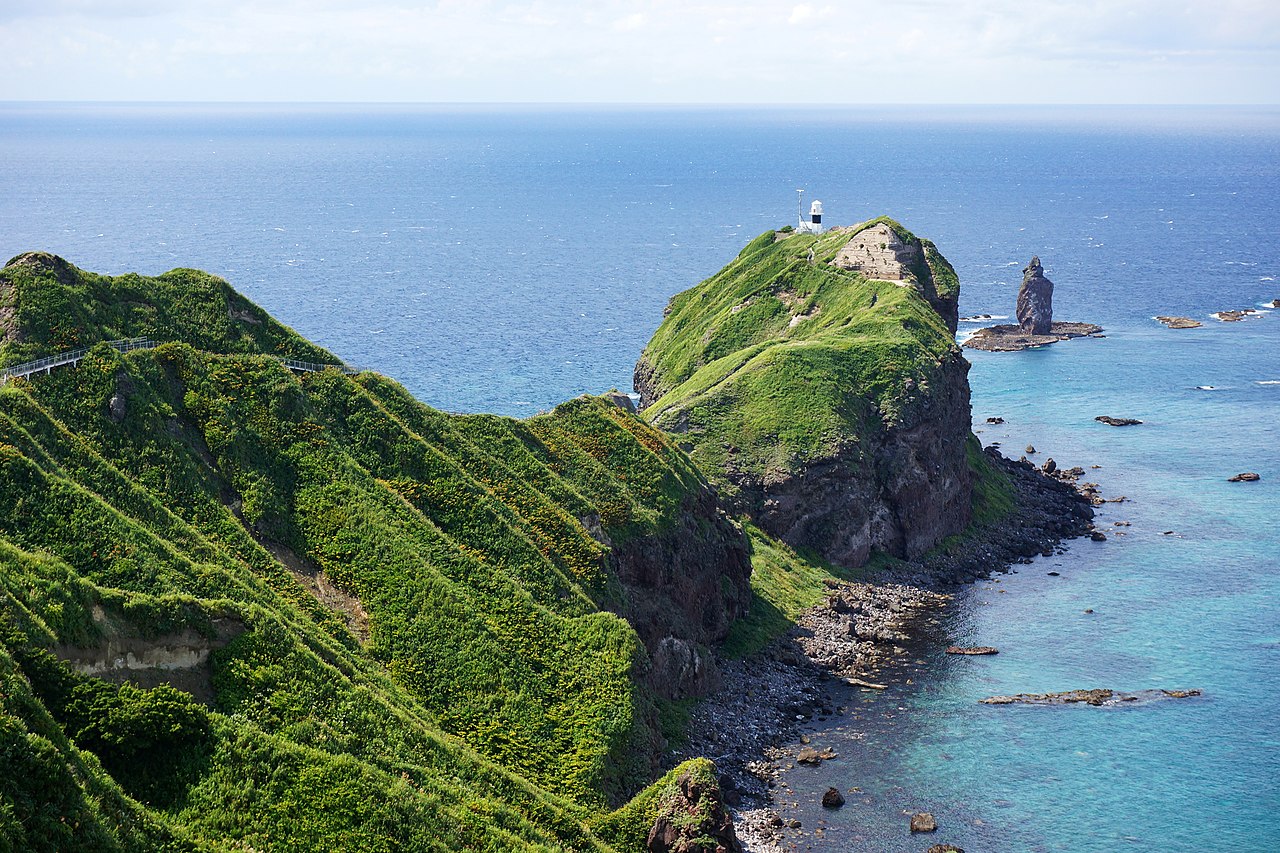
Kamui Misaki (Kamui Cape) and Kamui Iwa
Kamui Iwa is a 41-meter-high rock standing tall from the sea of Shakotan Blue. It is a cape associated with the legends of an Ainu goddess.
Shiogama Jinja (Shiogama Shrine)
A guardian of the Tohoku region and the first of the Mutsu Province shrines. It enshrines the deity of salt production and serves as a protector of the sea and daily life.
Dewasanzan Jinja (Dewasanzan Shrines)
A sacred site for the faith of the three mountains: Haguro-san, Gassan, and Yudono-san. It is a central location for Shugendo (ascetic mountain worship).
Gassan (Mount Gassan)
Standing at an altitude of 1,984 meters, this is the main peak of the Dewa Sanzan (Three Mountains of Dewa) and a sacred site for Shugendo (ascetic mountain worship) where Tsukuyomi-no-Mikoto is enshrined.
Haguro-san (Mount Haguro)
Standing at an altitude of 414 meters, this mountain represents the "present world" (Utsushiyo) of the Dewa Sanzan (Three Mountains of Dewa) and houses the oldest National Treasure five-story pagoda in the Tohoku region.
Chuson-ji (Temple)
A World Heritage site in Hiraizumi where the Oshu Fujiwara clan expressed the Pure Land (Jodo). The Konjikido (Golden Hall) is designated as a National Treasure.
Hayachine-san (Mount Hayachine)
Standing at an altitude of 1,917 meters, it is the highest peak of the Kitakami Mountains and the sacred mountain of Hayachine Kagura (a UNESCO Intangible Cultural Heritage).
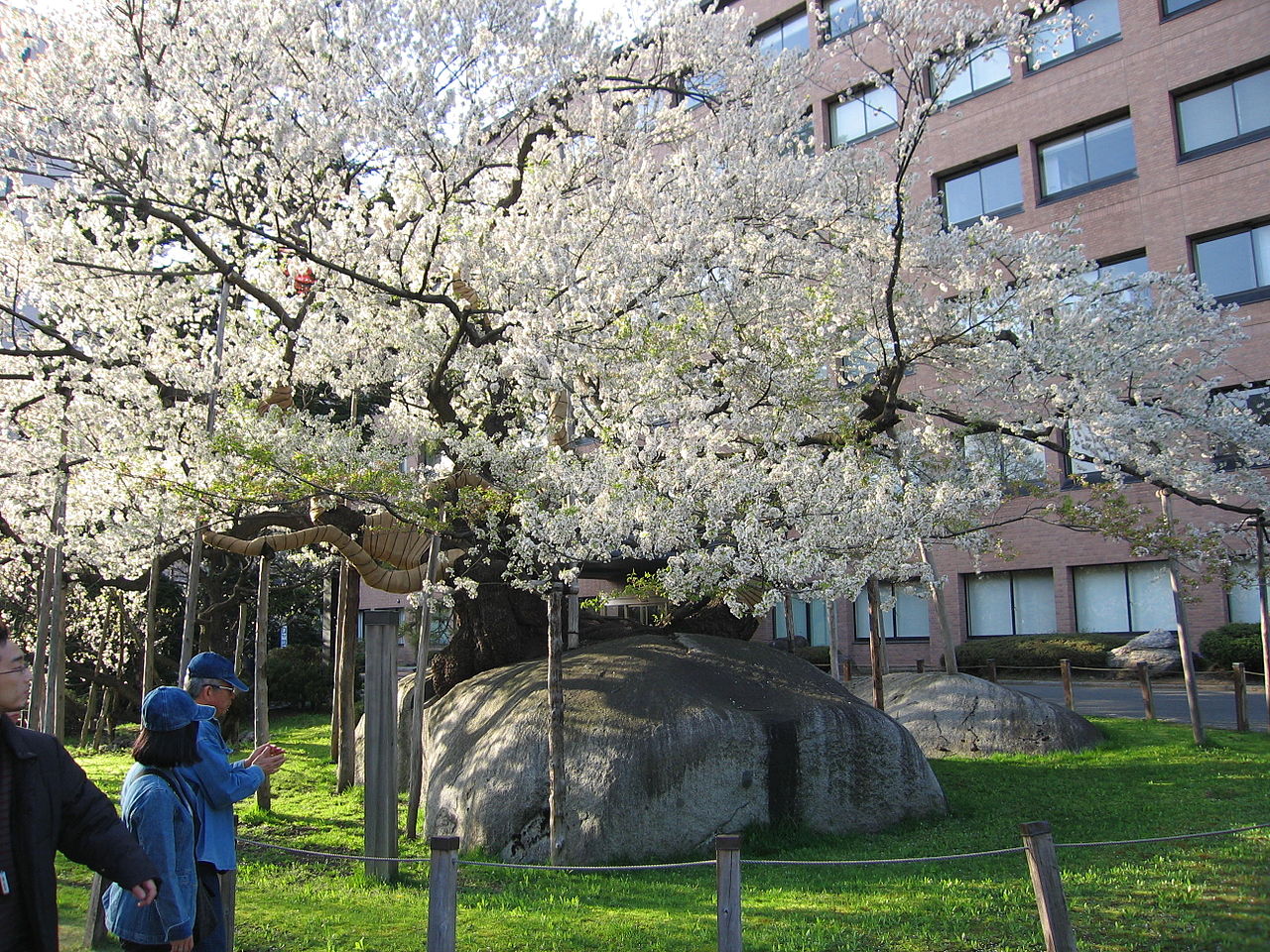
Ishiwari-zakura (Cherry Tree Growing from a Rock Fissure)
An Edohigan cherry tree over 360 years old, growing from a crack in a massive granite boulder.
Rikuchu Ichinomiya Komagata Jinja (Komagata Shrine)
The first of the eight shrines of the Rikuchu Province. This ancient shrine is said to have been founded during the era of Emperor Yuryaku and serves as the center of mountain worship for Mount Komagatake.
Ryusen-do (Ryusen Cave)
One of Japan's three largest limestone caves. It features a world-class underground lake known as "Dragon Blue."
Miharu Takizakura (Miharu Waterfall Cherry Tree)
A Benishidare (red weeping cherry) tree over 1,000 years old. It is ranked as the foremost of the "Three Great Cherry Trees of Japan."
Isasumi Jinja (Isasumi Shrine)
The site is the Iwashiro Province Ichinomiya (First Shrine) and the General Guardian of Aizu, serving as the origin of the place name "Aizu".
Taiheizan Miyoshi Jinja (Taiheizan Miyoshi Shrine)
The head shrine of the Miyoshi shrines nationwide, enshrining the 'God of Power,' Miyoshi Reishin.
Tazawa-ko (Lake Tazawa)
Japan's deepest lake with a maximum depth of 423.4 meters. It is the site of the legend of Tatsuko-hime, who prayed for eternal youth.
Chokaisan (Mount Chokai)
Standing at an altitude of 2,236 meters, this is a sacred mountain (reizan) in the Tohoku region where the deity Omotoki-no-kami resides. It is often referred to as "Dewanoshi" (the Fuji of Dewa).
Iwakiyama Jinja (Iwakiyama Shrine)
The first of the three great shrines of Tsugaru Province, this site features the sacred mountain of Tsugaru, Iwakiyama, as its Goshintai (sacred body). It is a renowned shrine often referred to as 'Oku-Nikko'.
Coverage is expanding gradually starting with major power spots. Please check official sources before visiting, as details may change.