TomobikiKamiyoshinichi (good day for shrine visits)
定番コース一覧へ
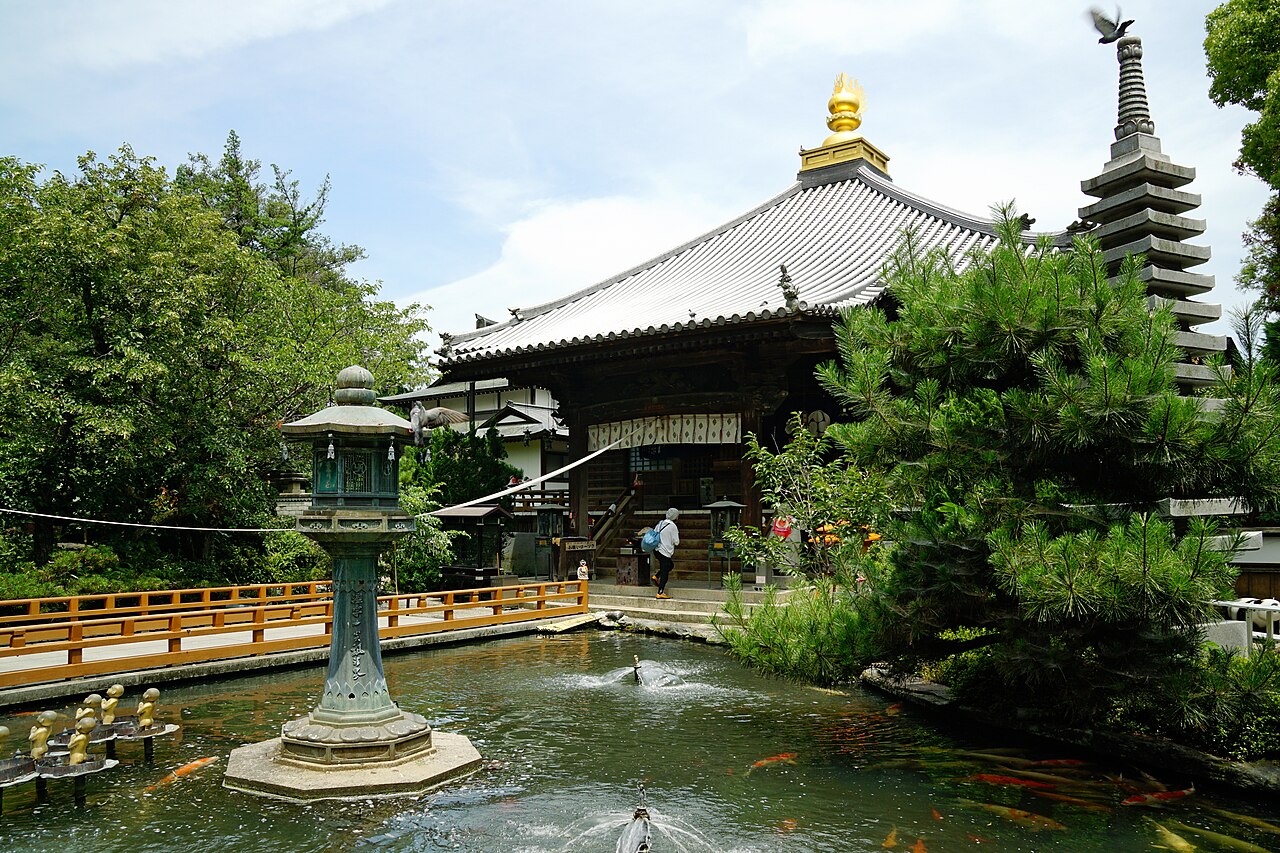
第1番札所・霊山寺(発願の寺)
お遍路Shikoku (Tokushima, Kochi, Ehime, Kagawa)

Shikoku 88 Temple Pilgrimage (Ohenro)

📷 663highland / CC BY 2.5

社数

88

移動手段

目安

Full Shikoku circuit: approx. 1,400 km (40–50 days by foot / 10–12 days by car)

Ohenro is a representative Japanese pilgrimage with over a thousand years of history, involving the visitation of 88 sacred sites (fudasho, pilgrimage temples) associated with Kobo Daishi (Kukai).

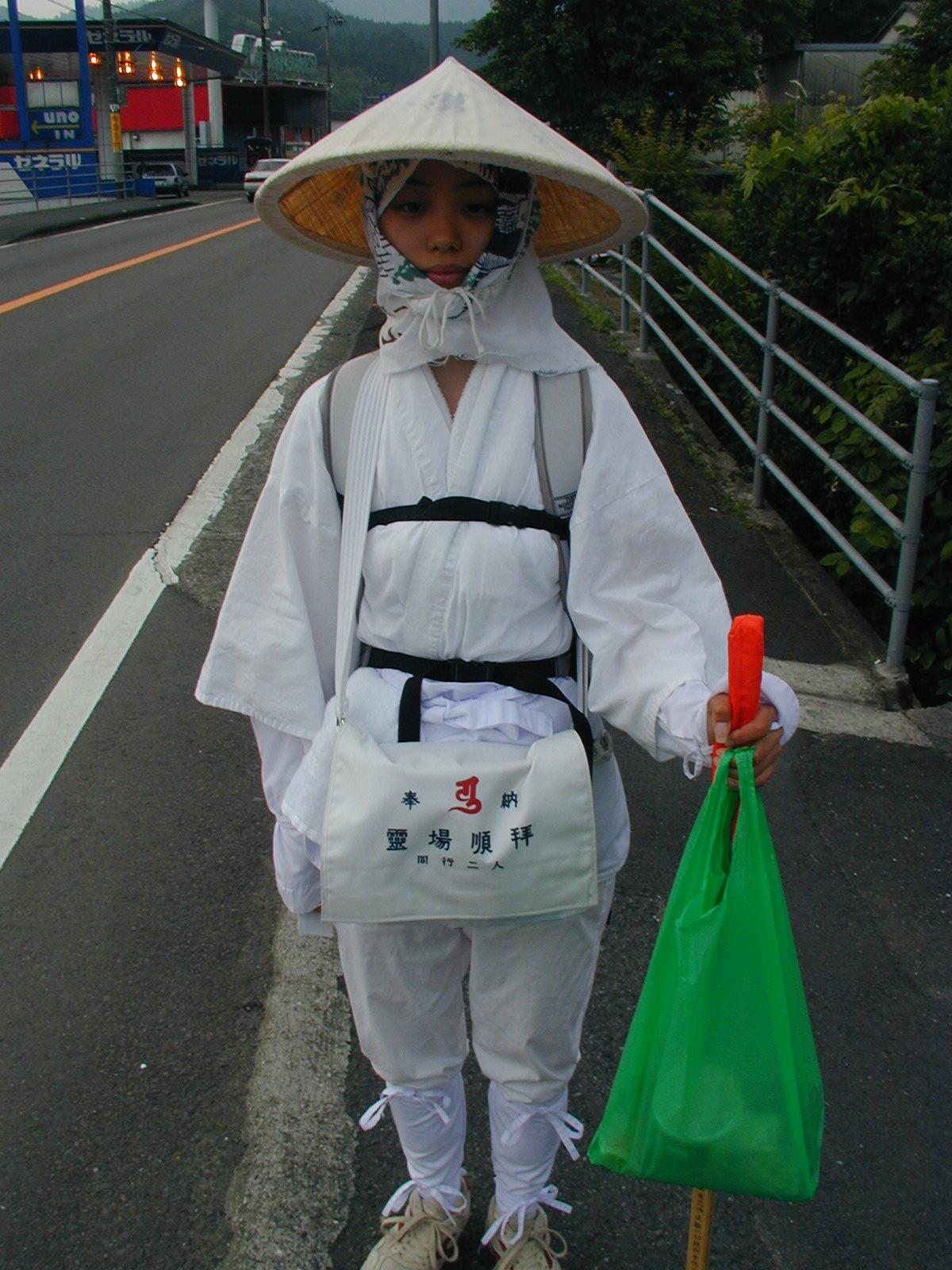
Traveling around Shikoku from No. 1 Ryozenji (Tokushima) to No. 88 Okuboji (Kagawa), the total distance is approximately 1,400 km. Pilgrims are often seen in white robes (hakui), wearing sedge hats (sugegasa) and carrying conical staffs (kongozue), embodying the spirit of "Dogyo Ninin"—the belief that one always walks alongside Kobo Daishi.

このコースの見どころ

  • Visiting 88 sacred sites associated with Kobo Daishi (Kukai)
  • A grand pilgrimage around Shikoku covering approximately 1,400 km
  • From No. 1 Ryozenji (the start of the vow) to No. 88 Okuboji (the completion of the vow)
  • The pilgrimage culture of white robes, sedge hats, conical staffs, and the spirit of "Dogyo Ninin"

このコースで出会える風景

白衣・菅笠・金剛杖のお遍路さん。袋には「同行二人」
白衣・菅笠・金剛杖のお遍路さん。袋には「同行二人」

📷 Jpatokal (wikivoyage) / CC BY-SA 4.0

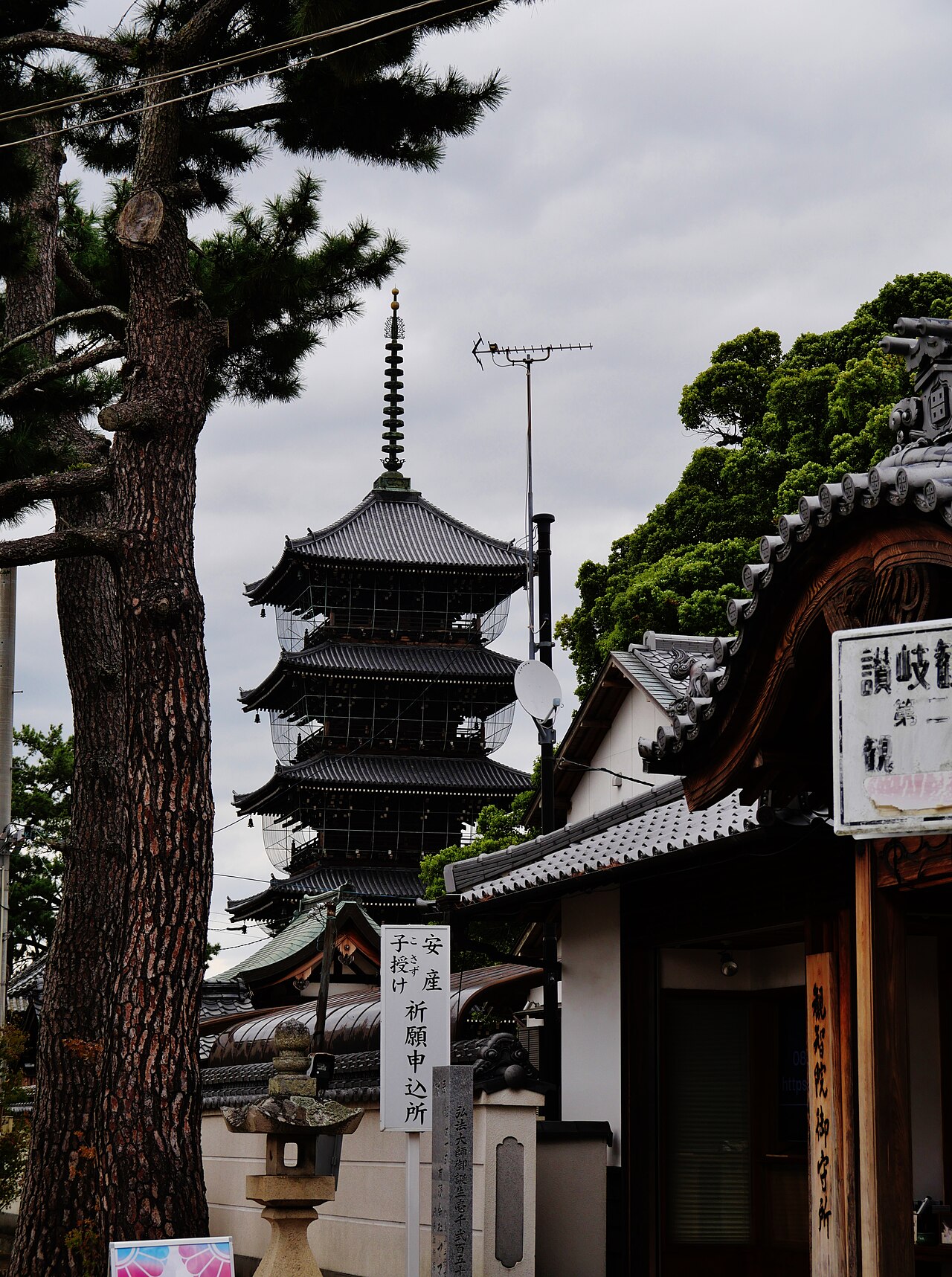
弘法大師生誕の地・第75番善通寺の五重塔

弘法大師生誕の地・第75番善通寺の五重塔

📷 Zairon / CC BY 4.0

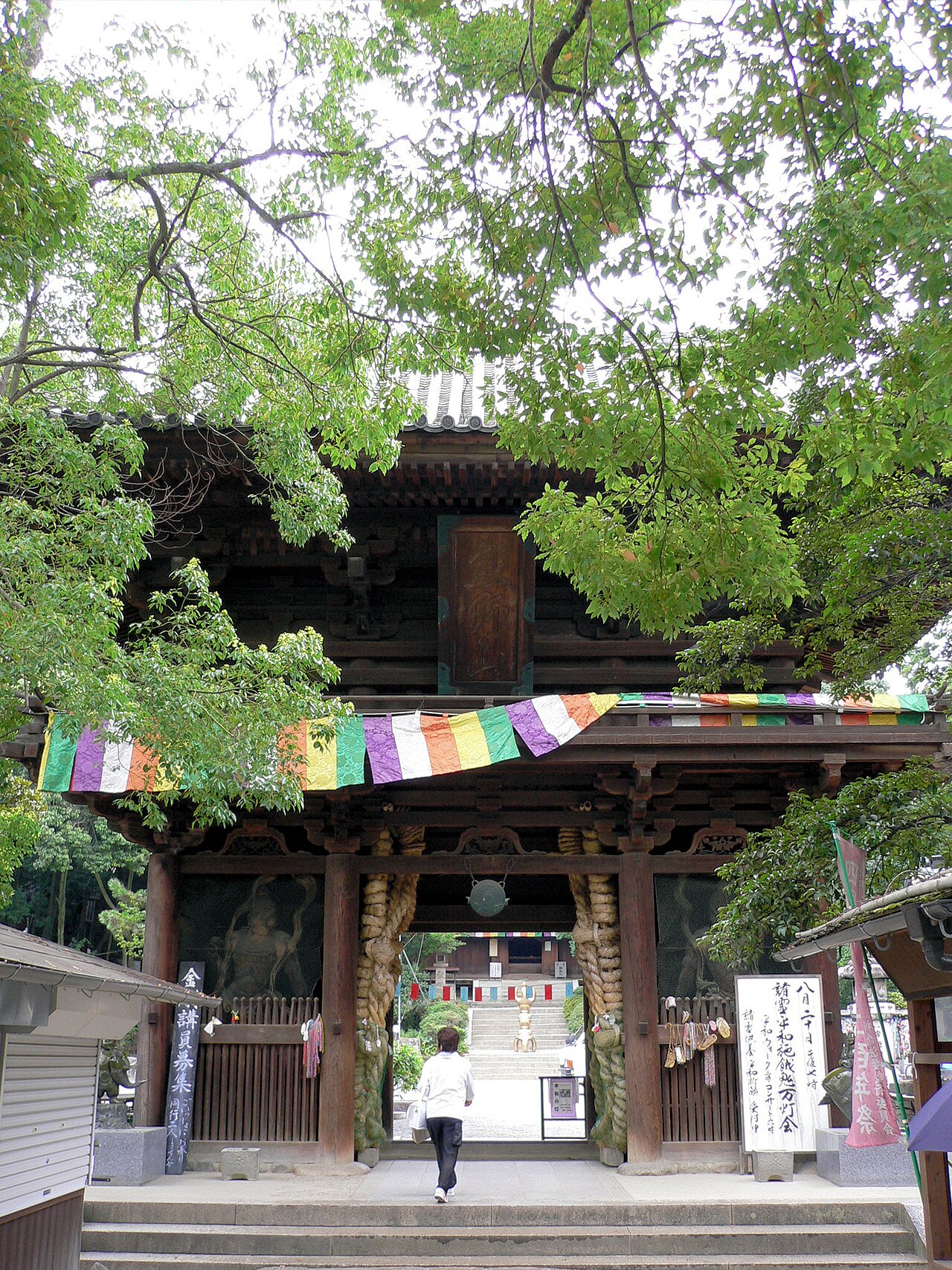
第51番石手寺の仁王門(国宝)

第51番石手寺の仁王門(国宝)

📷 Urawa Zero / CC BY 2.0

What is Ohenro?

Ohenro refers to the pilgrimage visiting 88 sacred sites associated with Kobo Daishi scattered throughout Shikoku. Those who undertake the journey are affectionately called "Ohenro-san."

The four prefectures are each likened to stages of spiritual practice: Tokushima is the Dojo of Hoshin (Awakening of Faith), Kochi is the Dojo of Shugyo (Ascetic Practice), Ehime is the Dojo of Bodai (Enlightenment), and Kagawa is the Dojo of Nehan (Nirvana). Completing the circuit in numerical order from No. 1 to No. 88 is called "Mangen" (the fulfillment of the vow).

History

The pilgrimage originated from the intensive training Kobo Daishi (Kukai, 774–835) underwent in Shikoku during his youth. Later, it became a path of ascetic practice for monks and Shugendo (mountain worship) practitioners to follow in the Master's footsteps.

During the Edo period, the pilgrimage became widely popular among common people, supported by the distribution of travel guides (michinuki) and the culture of "Osettai" (acts of hospitality and offerings). With over 1,200 years of history, it is a rare type of circuit pilgrimage globally.

"Dogyo Ninin" and Spiritual Blessings

Pilgrims walk with the spirit of "Dogyo Ninin" (Two People Walking Together), the belief that Kobo Daishi is always watching over them by their side. This phrase is often inscribed on sedge hats and conical staffs.

At each fudasho (pilgrimage temple), pilgrims offer a slip of paper (nosha) at the main hall and the Daishido (Kobo Daishi Hall), listen to prayers, and receive a Goshuin (calligraphic seal stamp) in their Nokyo-cho (pilgrimage stamp book). Beyond seeking the fulfillment of wishes or offering prayers for ancestors, a major appeal of Ohenro is the opportunity to step away from daily life and quietly face oneself.

How to Pilgrimage

Visiting the temples in numerical order from No. 1 is called "Jun-uchi," while visiting them in reverse order is called "Gyaku-uchi" (it is said that Gyaku-uchi during a leap year brings great merit). You may travel at your own pace, whether through "Toshi-uchi" (completing the entire circuit at once) or "Kugiri-uchi" (completing the circuit in several segments).

There are various methods of travel, such as Aruki-henro (walking pilgrimage, approx. 40–50 days) or car/bus tours (approx. 10 days). Pilgrimage gear such as the hakui (white robe), sugegasa (sedge hat), kongozue (conical staff), rin-kesa (loop vest), juzu (prayer beads), and Nokyo-cho (stamp book) also help prepare your heart for the journey.

Recommended for...

• Those who wish to leave daily life behind and quietly face themselves. • Those who want to experience the faith, history, and culture of Kobo Daishi. • Those who want to feel the majestic nature of Shikoku and the spirit of human kindness (Osettai culture). • Those who wish to collect Goshuin (calligraphic seal stamps).

It is perfectly fine if you do not complete the entire circuit. It is also recommended to start with a "Kugiri-uchi" of a few sites or begin with a nearby Dojo (prefecture).

Completion and the Journey to Koyasan

Completing all the sites at No. 88 Okuboji is called "Ketsugan" (fulfillment of the vow).

Following this, it is an ancient pilgrimage custom to make an "Orei-mairi" (thanksgiving visit) to Okunoin in Koyasan, where Kobo Daishi is said to continue his meditation to this day.

道場ごとに計画を保存

全周は長いので、四国の四県(四つの道場)に分けて、それぞれを自分の巡礼計画として保存できます。

Ohenro is a grand pilgrimage covering approximately 1,400 km. Rather than planning the entire circuit at once, it is recommended to first look through the list of fudasho (pilgrimage temples) below and select specific sites you wish to visit or add to your itinerary. In practice, it is common to complete the pilgrimage in segments, a method known as "Kugiri-uchi."

巡拝コース(88札所

Dojo of Initial Enthusiasm (Tokushima)
1Ryozanji Temple (First Pilgrimage Site)
Dojo of Austerity (Kochi)
23Yakuouji (Yakuou Temple)
A Training Ground (Kochi)
26Kongoutouji (Kongoutouji Temple)
A Training Ground for Bodhi (Ehime)
40Kanzaiji Temple
Dojo of Bodhi (Ehime)
51Ishide-ji Temple